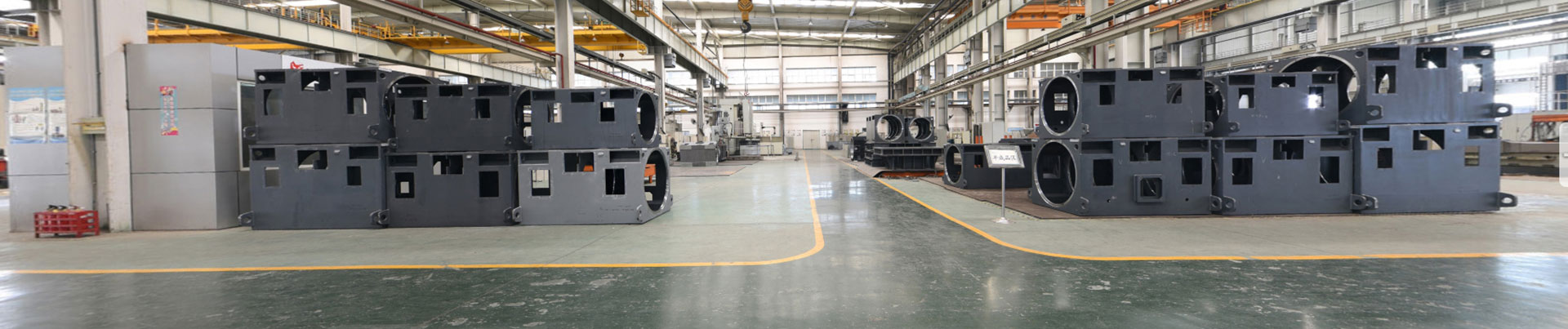
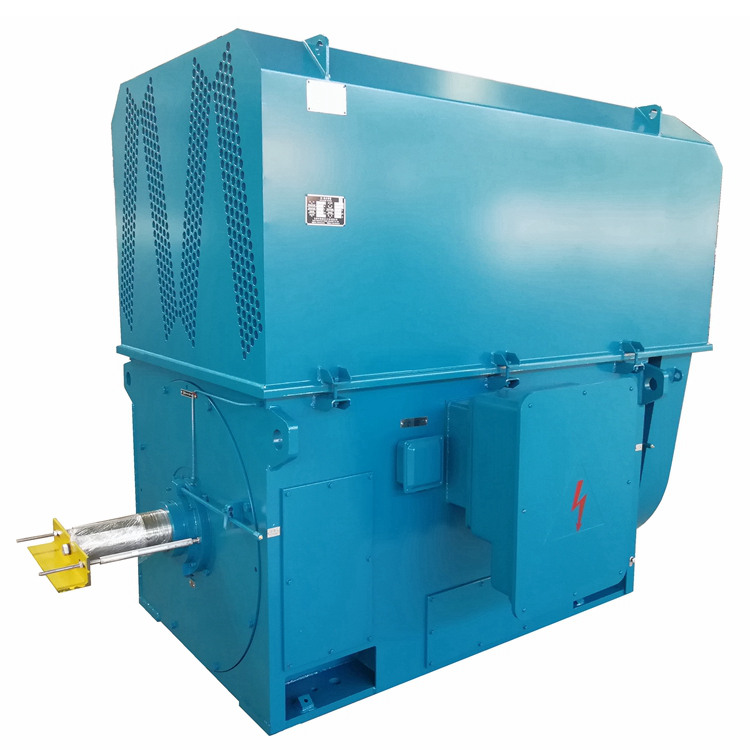
Low Voltage Squirrel Cage Motors, a crucial innovation in the electric motor industry, are designed to deliver efficiency and reliability in various industrial applications. As industries strive for increased productivity and energy efficiency, the significance of these motors becomes even more apparent. By resolving common pain points associated with traditional motors, such as high energy consumption and maintenance costs, Low Voltage Squirrel Cage Motors have emerged as a game-changer. Imagine a manufacturing plant reducing its energy costs by up to 25% simply by upgrading to these efficient motors—making them a smart choice for businesses looking for sustainable solutions.
Low Voltage Squirrel Cage Motors, commonly referred to as LVSC motors, are electric motors that utilize a squirrel cage rotor design to generate mechanical power. The term "squirrel cage" refers to the rotor's structure, which resembles a hamster wheel. This design is renowned for its simplicity, durability, and effectiveness in converting electrical energy into mechanical energy. According to the National Electrical Manufacturers Association (NEMA), these motors typically operate at voltages lower than 600 volts, making them ideal for a variety of applications.
The term "squirrel cage" specifically describes the rotor design that uses conductive bars connected by rings at each end, creating a closed-loop circuit. This configuration allows for high efficiency and low maintenance since there are no brushes or windings to wear out. Squirrel cage motors are classified under the broader category of induction motors, which work based on electromagnetic induction principles.
Low Voltage Squirrel Cage Motors find applications in multiple sectors, reflecting their versatility and efficiency. Common usage scenarios include:
Manufacturing: In assembly lines and conveyor systems, these motors provide the power needed to operate machinery and transport materials.
HVAC Systems: Used in heating, ventilation, and air conditioning systems, LVSC motors improve energy efficiency in climate control applications.
Pumps and Compressors: Industries utilize these motors in pumps for fluids and air compressors due to their reliable performance and consistent torque.
Material Handling: In warehouses and logistics operations, LVSC motors power equipment like hoists and forklifts.
The wide-ranging applicability of these motors underlines their significance in modern engineering processes.
Low Voltage Squirrel Cage Motors offer numerous advantages that position them as a preferred choice in various industrial applications:
Energy Efficiency: Studies show that LVSC motors can achieve efficiencies of up to 95%, compared to traditional motors which range between 75%-85%. This efficiency translates to significant cost savings over time.
Low Maintenance: With fewer moving parts than other motor types, LVSC motors require less maintenance, which reduces operational downtime and overall maintenance costs by up to 30%.
Compact Size: Their compact design means they take up less space, allowing for more flexibility in installation within machinery layouts.
Sustainability: Many industries are shifting towards greener technologies. Using LVSC motors can contribute to sustainability goals by reducing energy consumption and greenhouse gas emissions.
The combination of these benefits underlines the importance of integrating Low Voltage Squirrel Cage Motors into modern systems.
For those looking to explore the capabilities of Low Voltage Squirrel Cage Motors further, we recommend reviewing the user guide provided by ZCL. The guide details installation procedures, operational tips, and troubleshooting advice to optimize the performance of your motor. Additionally, consider seeking a trial or demo of LVSC motors to directly observe their benefits in your specific application.
Q1: What is the lifespan of a Low Voltage Squirrel Cage Motor?
A1: Under normal operating conditions, LVSC motors can last between 15 to 20 years, depending on maintenance practices and operating environments.
Q2: Are Low Voltage Squirrel Cage Motors suitable for outdoor use?
A2: Yes, but they must be properly encased and protected from environmental factors to ensure longevity.
Q3: How can I select the right Low Voltage Squirrel Cage Motor for my application?
A3: Factors to consider include required power output, operating conditions, and efficiency ratings. Consulting with manufacturers or specialists can provide valuable insights.
To deepen your understanding and experience the advantages of Low Voltage Squirrel Cage Motors, reach out to ZCL for potential trials or additional resources. You can maximize your operational efficiency and reliability by embracing this innovative technology.
In conclusion, Low Voltage Squirrel Cage Motors represent a significant advancement in power generation, providing critical benefits across multiple industries. Understanding their capabilities not only enhances your operations but also aligns with global energy conservation efforts.
Copyright © ZCL Shijiazhuang Electric Motor Technology Co.,Ltd. All Rights Reserved | Sitemap | Powered by