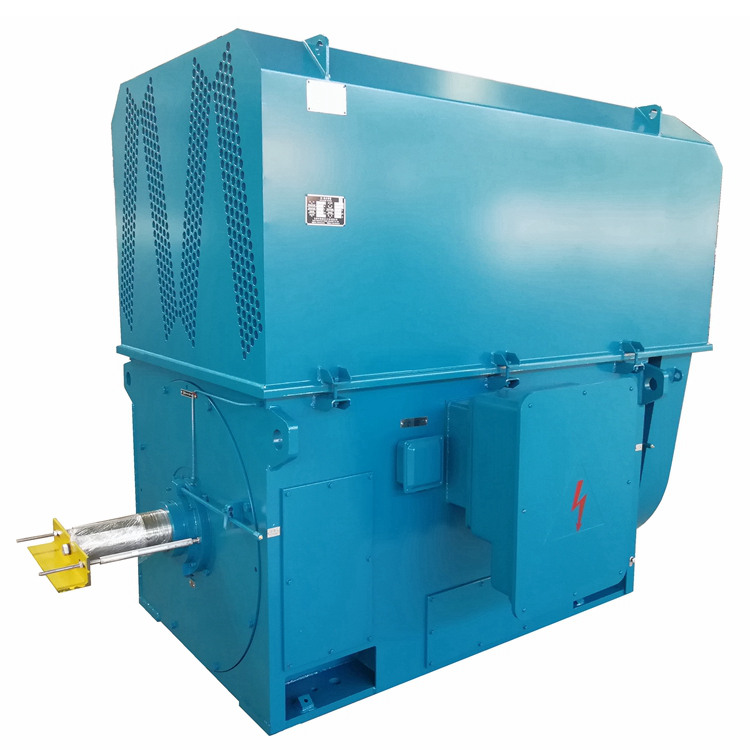
Squirrel Cage Induction Motor efficiency ratings are one of the most important performance indicators in industrial motor selection. Efficiency directly affects energy consumption, operating costs, equipment reliability, and compliance with international energy regulations.
Because squirrel cage motors are widely used in pumps, fans, compressors, conveyors, and industrial machinery, even small efficiency improvements can lead to significant long-term energy savings.
This article explains squirrel cage motor efficiency ratings, international efficiency standards, efficiency classes, and how to select the right motor for industrial applications.
What Is a Squirrel Cage Motor?
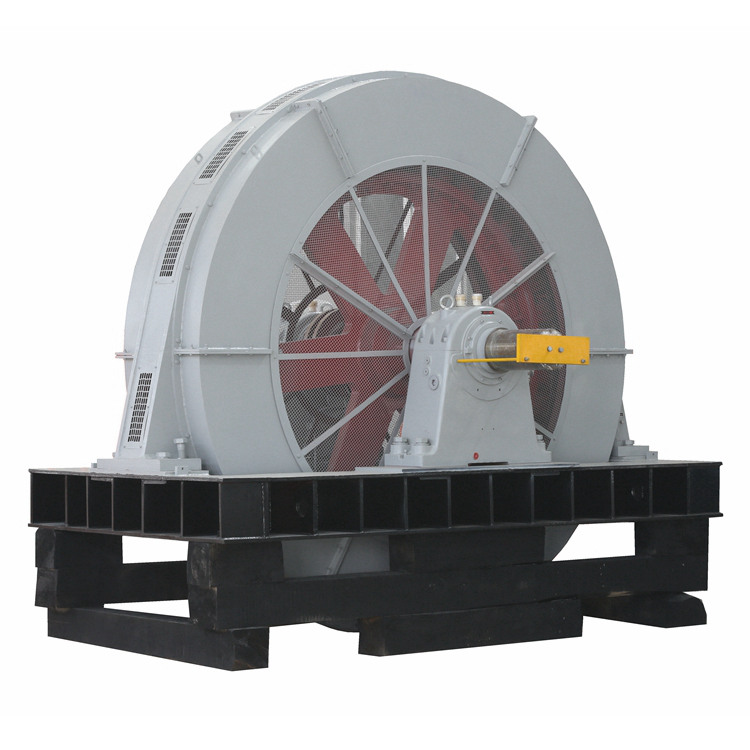
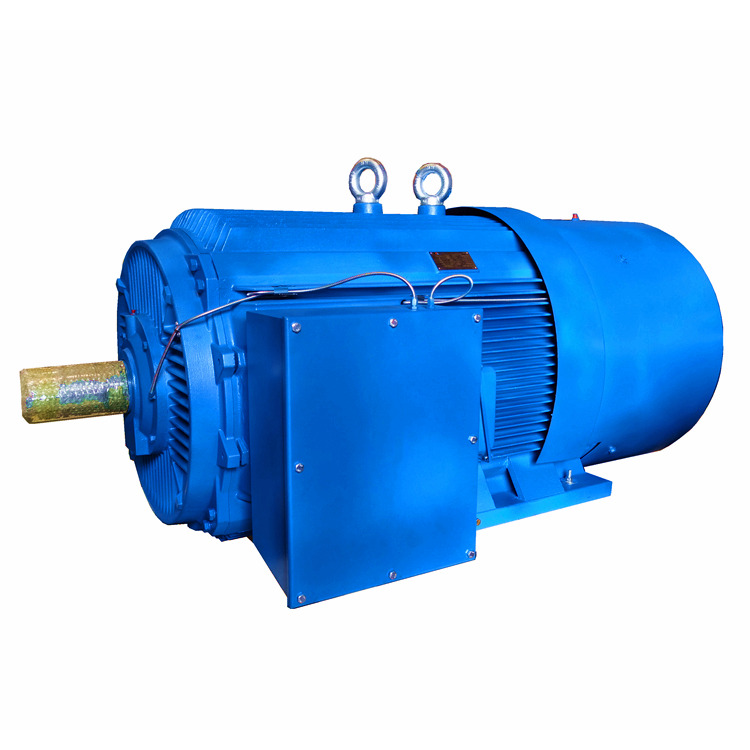
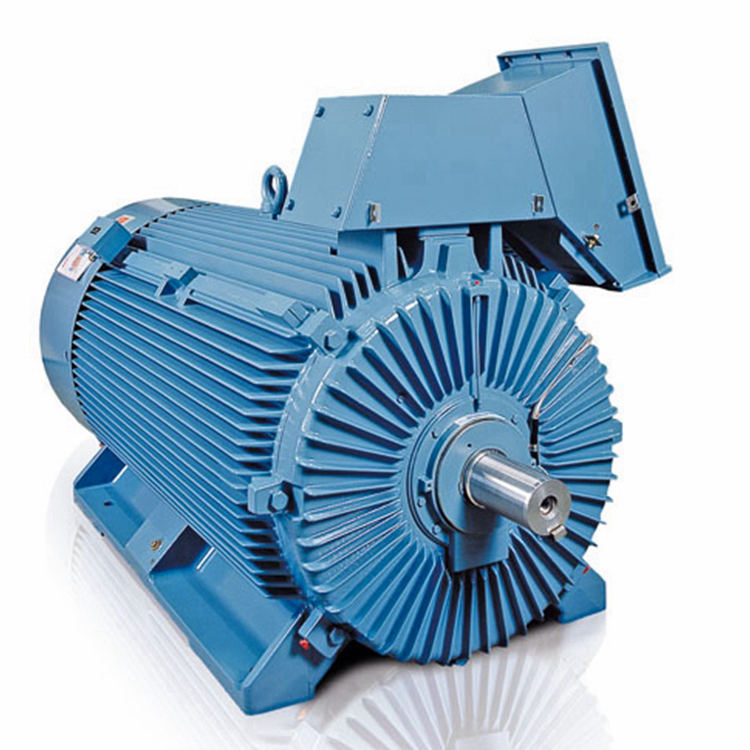
A Squirrel Cage Induction Motor is the most common type of AC induction motor. It uses a rotor made of conductive bars connected by end rings, forming a structure similar to a squirrel cage.
Key advantages include:
Simple construction
Low maintenance
High reliability
Cost efficiency
Stable performance
These motors are commonly used in:
Industrial pumps
Fans and blowers
Compressors
Conveyor systems
HVAC equipment
Manufacturing machinery
What Does Motor Efficiency Mean?
Motor efficiency refers to how effectively electrical energy is converted into mechanical output power.
The efficiency formula is:
η=PinPout×100%
Where:
η = Motor efficiency
Pout = Mechanical output power
Pin = Electrical input power
Higher efficiency means lower energy losses.
Main Sources of Motor Energy Loss
Energy losses in squirrel cage motors typically include:
Stator Copper Losses
Losses caused by resistance in stator windings.
Rotor Losses
Electrical resistance losses inside the rotor bars.
Core Losses
Magnetic hysteresis and eddy current losses in the iron core.
Mechanical Losses
Friction from bearings and cooling fans.
Stray Load Losses
Additional small losses caused by magnetic leakage and harmonics.
Improving motor design reduces these losses and increases efficiency ratings.
International Motor Efficiency Standards
Most industrial squirrel cage motors follow the international standard:
IEC 60034-30 Efficiency Classes
The International Electrotechnical Commission defines standardized motor efficiency classifications.
The main efficiency classes include:
Efficiency Class
Description
IE1
Standard Efficiency
IE2
High Efficiency
IE3
Premium Efficiency
IE4
Super Premium Efficiency
IE5
Ultra Premium Efficiency
These standards help buyers compare motor energy performance globally.
IE Efficiency Classes Explained
IE1 – Standard Efficiency
IE1 motors are older standard-efficiency designs with relatively higher energy losses.
Characteristics:
Lower initial cost
Higher operating energy consumption
Used in less demanding applications
Many countries are gradually phasing out IE1 motors due to energy regulations.
IE2 – High Efficiency
IE2 motors provide improved efficiency compared with IE1 models.
Advantages:
Lower operating costs
Better energy performance
Widely used in industrial applications
IE2 motors are still common in developing industrial markets.
IE3 – Premium Efficiency
IE3 motors are now widely adopted as the industrial standard in many countries.
Benefits include:
Significant energy savings
Lower heat generation
Improved reliability
Longer service life
IE3 motors are highly recommended for continuous-duty industrial systems.
IE4 – Super Premium Efficiency
IE4 motors use advanced materials and optimized electromagnetic design to achieve very high efficiency.
Features:
Reduced power losses
Lower operating temperature
Better performance at variable loads
They are commonly used in high-demand industrial automation systems.
IE5 – Ultra Premium Efficiency
IE5 motors represent the newest generation of ultra-high-efficiency motor technology.
Advantages:
Maximum energy savings
Extremely low losses
Improved sustainability performance
These motors are increasingly used in smart factories and advanced energy-saving systems.
Typical Efficiency Values
Motor efficiency varies depending on motor size and power rating.
Typical full-load efficiency ranges:
Efficiency Class
Typical Efficiency
IE1
82%–89%
IE2
85%–92%
IE3
89%–94%
IE4
91%–96%
Larger motors generally achieve higher efficiency values.
Why Motor Efficiency Matters
1. Lower Energy Costs
Electric motors consume a large portion of industrial electricity.
Higher-efficiency motors reduce:
Electricity consumption
Utility bills
Long-term operating costs
In many industrial systems, electricity costs exceed the motor purchase price over its lifetime.
2. Reduced Heat Generation
Efficient motors waste less energy as heat.
Benefits include:
Cooler operation
Longer insulation life
Reduced bearing wear
Improved reliability
3. Environmental Benefits
Energy-efficient motors help reduce:
Carbon emissions
Industrial energy demand
Environmental impact
Many governments now require higher-efficiency motor standards to support sustainability goals.
4. Improved Equipment Performance
High-efficiency squirrel cage motors often provide:
Better speed stability
Lower vibration
Improved power factor
More stable torque output
Factors Affecting Squirrel Cage Motor Efficiency
Several design factors influence efficiency ratings.
Rotor Design
Copper rotor designs reduce resistance losses compared with aluminum rotors.
Higher-efficiency motors cost more initially but reduce long-term operating expenses.
Applications of High-Efficiency Squirrel Cage Motors
High-efficiency motors are widely used in:
Pumps
Compressors
Fans
HVAC systems
Industrial automation
Water treatment systems
Conveyor systems
These applications often operate continuously and benefit significantly from energy savings.
Conclusion
Squirrel cage motor efficiency ratings are essential for evaluating motor performance, energy consumption, and long-term operating costs. International IE efficiency classes help standardize energy performance across global industrial markets.
As industries focus increasingly on energy savings, sustainability, and operational efficiency, IE3, IE4, and IE5 squirrel cage motors are becoming the preferred choice for modern industrial systems.
Selecting the correct motor efficiency class can reduce energy costs, improve equipment reliability, and support long-term industrial productivity.