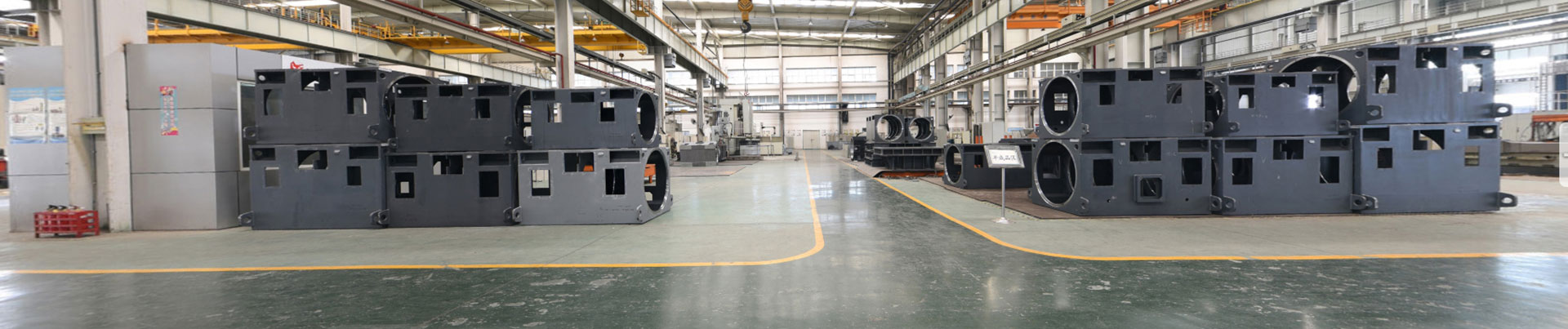
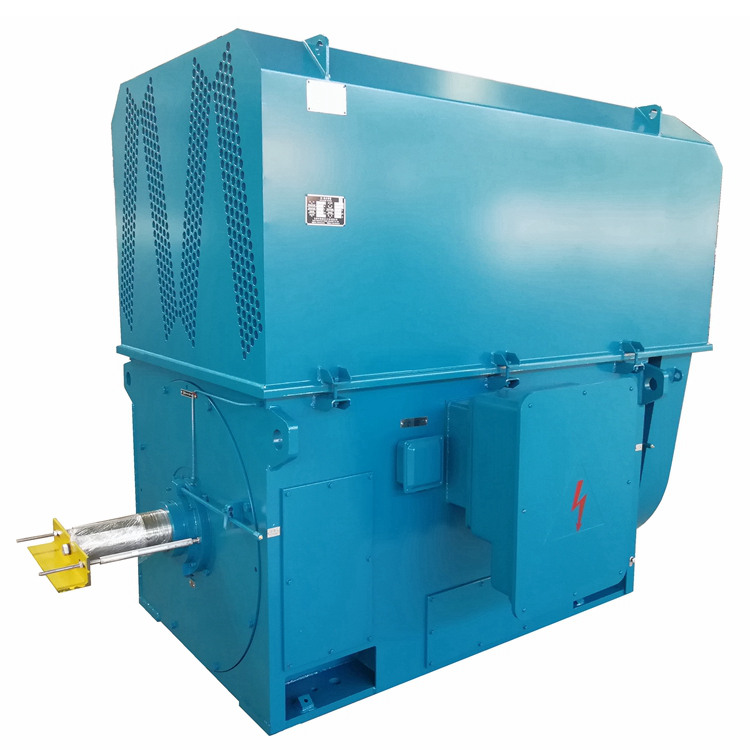
Low Voltage Squirrel Cage Motors are essential for various applications across industries, from manufacturing to HVAC systems. Whether you're an engineer, maintenance technician, or purchasing manager, this comprehensive guide aims to address your selection dilemmas. With the right knowledge, you can effectively navigate issues such as energy efficiency, reliability, and performance. By providing insights into selecting the most suitable squirrel cage motor, we’ll help you avoid common pitfalls such as suboptimal performance or unnecessary energy consumption, ensuring your application runs smoothly.
Squirrel cage motors are asynchronous AC motors characterized by a rotor structure resembling a squirrel cage, designed for compactness and efficiency. Familiarity with specific terminology is critical:
Stator: The stationary part of the motor that generates a rotating magnetic field.
Rotor: The rotating part that receives energy from the magnetic field.
Efficiency Rating: A measurement of how effectively a motor converts electrical energy into mechanical energy, often expressed as a percentage.
The principle behind these motors involves electromagnetic induction, where the stator’s magnetic field induces a current in the rotor, causing it to rotate. According to the International Electrotechnical Commission (IEC), high-efficiency motors can achieve energy consumption reductions of up to 10 to 20% compared to standard models.
Load Type: Identifying if your application requires continuous, intermittent, or variable loads.
Power Rating: Determined as per the horsepower needs of your application, ranging from fractional to several hundred horsepower.
Environment: Choosing motors that can withstand specific conditions such as humidity, temperature, or corrosive substances.
Assess Your Application: Begin by defining the application. Is it for a conveyor, compressor, or pump? Each application has unique requirements.
Determine the Required Horsepower: Utilize online calculators or consult motor specifications to decide on horsepower. Note that the most common ratings range from 0.5 HP to over 250 HP.
Review Efficiency Classes: Refer to the NEMA (National Electrical Manufacturers Association) standards to select motors with efficiency classes IE2, IE3, or IE4. High-efficiency models save an estimated $500 or more per annum in energy costs.
Environment Assessment: Evaluate thermal and mechanical conditions to ensure a suitable motor enclosure. For harsh conditions, look for Totally Enclosed Fan Cooled (TEFC) types.
Check Speed and Torque Requirements: Analyze whether your application demands specific speed settings, typically 1500 RPM or 3000 RPM, and appropriate torque ratings.
Select the Right Brand: Consider trustable brands like ZCL, known for their reliability and high-performance metrics in squirrel cage motors.
Finalize the Purchase: Contact suppliers for quotes and ensure that warranty and service options meet your needs.
A manufacturing company upgraded their motor systems by switching to high-efficiency squirrel cage motors from ZCL. By making this change, they achieved a 25% decrease in energy consumption, translating to an annual savings of approximately $7,000. Furthermore, their production line's uptime improved as the new motors operated consistently with much less downtime than previous models.
Q: What is the lifespan of squirrel cage motors?
A: Typically, a high-quality squirrel cage motor has an operational lifespan of 15 to 30 years, depending on usage.
Q: How do I determine the efficiency of a squirrel cage motor?
A: The efficiency can usually be found on the motor's nameplate; look for that percentage, ideally above 90% for optimal energy savings.
Q: Can squirrel cage motors operate in extreme temperatures?
A: Yes, specific designs, including TEFC models, can support a temperature range of -20°F to 104°F (-29°C to 40°C) without performance loss.
To further enhance the performance of squirrel cage motors, consider the following:
Regular Maintenance: Scheduled inspections can lead to a reduction in unplanned downtimes by 15% and prolong motor life.
Variable Frequency Drives (VFD): Integrating VFDs can optimize speed and torque control, leading to potential energy savings of up to 50% during fluctuating load conditions.
Condition Monitoring: Implementing IoT solutions for real-time performance monitoring can help detect anomalies before they lead to failure.
Selecting the right squirrel cage motor is crucial for maximizing efficiency and minimizing costs. Trust ZCL for a wide range of low voltage squirrel cage motors that meet stringent performance standards. For further assistance, including product inquiries or service options, please do not hesitate to contact us for expert guidance in selecting the motor best suited for your needs. Equip your operation with the reliability and performance of ZCL today!
Copyright © ZCL Shijiazhuang Electric Motor Technology Co.,Ltd. All Rights Reserved | Sitemap | Powered by