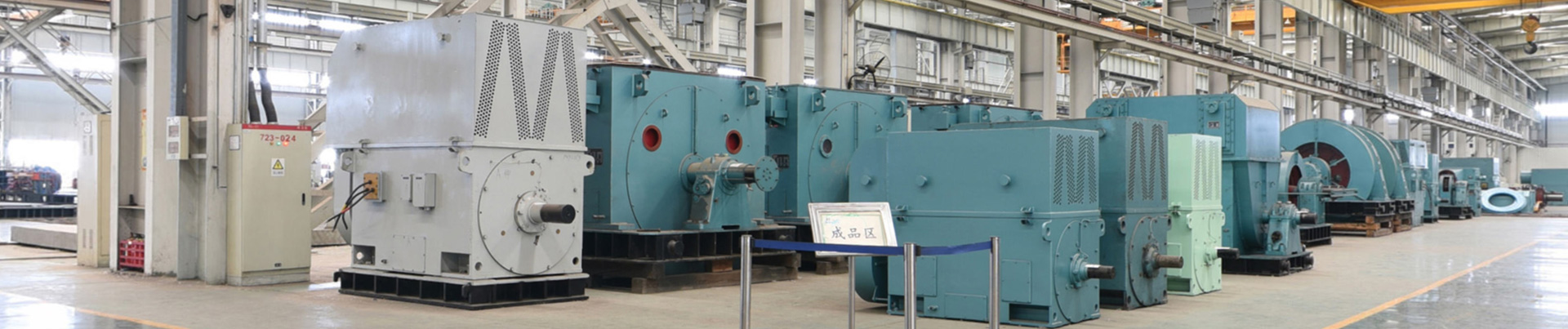
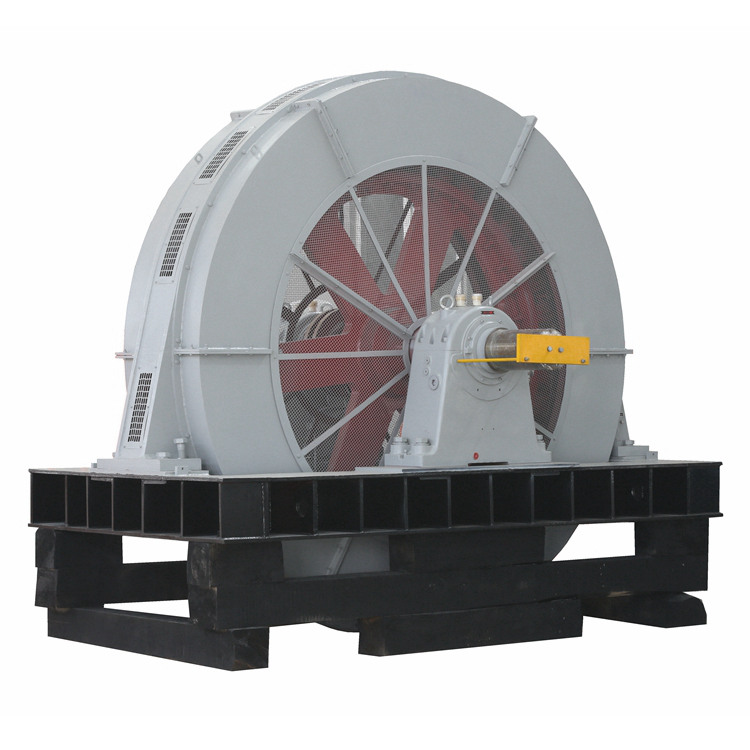
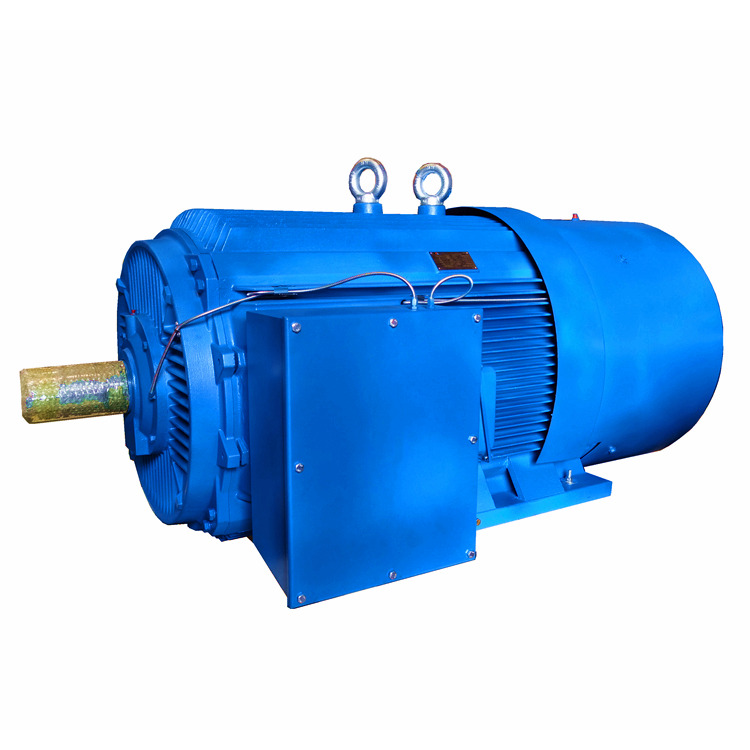
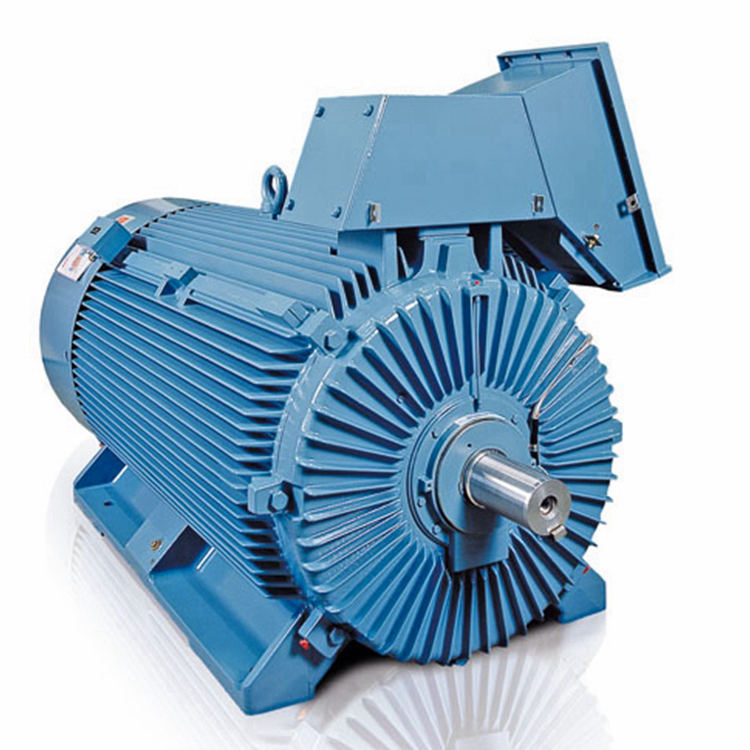
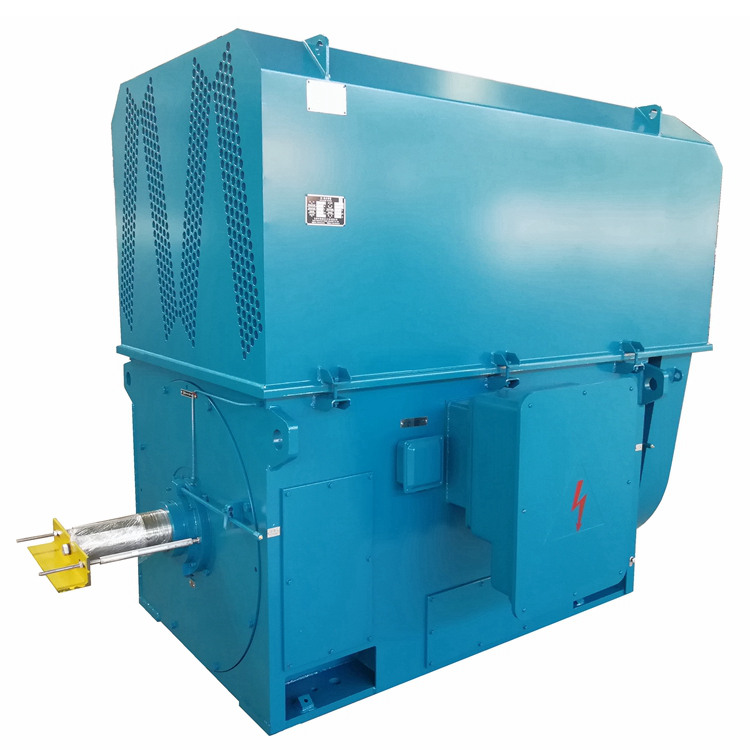
We design and manufacture synchronous condenser systems for utilities, renewable energy developers, EPC contractors and industrial power networks. Our solutions provide dynamic reactive power compensation, voltage support, short-circuit contribution and synchronous inertia to strengthen electrical grids with increasing levels of inverter-based generation.
A synchronous condenser project involves much more than supplying a rotating machine. The complete solution may include the synchronous condenser, excitation system, starting equipment, step-up transformer, cooling system, lubrication system, control and protection panels, switchgear, monitoring equipment and balance-of-plant auxiliaries.
Our engineering team develops each system according to the grid study, required reactive power range, short-circuit contribution, inertia target, connection voltage, fault-ride-through requirements and site conditions.
A synchronous condenser, also known as a synchronous compensator or SynCon, is a synchronous rotating machine connected to an electrical network without a mechanical production load.
After reaching synchronous speed and connecting to the grid, the machine operates with adjustable excitation. By changing its field current, it can generate or absorb reactive power and help regulate grid voltage.
Because it has a physical rotating mass, a synchronous condenser can also contribute synchronous inertia. Its electromagnetic construction provides real short-circuit current during grid faults, supporting system strength and the correct operation of protection equipment.
Unlike a conventional generator, it does not require a continuously operating prime mover to produce active electrical power. Unlike an ordinary motor, it does not drive industrial machinery after synchronization.
Why Are Synchronous Condensers Needed?
Modern power systems increasingly depend on wind turbines, solar inverters, HVDC connections and other converter-based resources. These technologies can supply active and reactive power, but they do not inherently provide all the characteristics traditionally contributed by large synchronous generators.
When conventional generating units are retired, the grid may lose:
A synchronous condenser can restore several of these services without operating a thermal generating unit solely for grid support.
Core Grid-Support Functions
Dynamic Reactive Power Compensation
The excitation system allows the synchronous condenser to operate in over-excited or under-excited conditions.
When over-excited, it supplies reactive power to the system. When under-excited, it absorbs reactive power. This bidirectional capability helps manage changing load and generation conditions.
The required operating range should specify both:
A system described only by one positive MVAr rating may not provide enough information for accurate project evaluation.
Voltage Regulation
The automatic voltage regulator adjusts excitation according to the voltage measured at the selected control point.
Depending on the system design, regulation may be based on:
Controlling voltage at the point of connection can improve coordination between the synchronous condenser and the wider transmission network.
Short-Circuit Contribution
Synchronous condensers provide real fault-current contribution through their electromagnetic characteristics.
Additional short-circuit strength can:
Improve the short-circuit ratio of a weak grid
Support stable operation of inverter-based resources
Help protection relays detect and clear faults
Improve voltage recovery after disturbances
Increase the strength of remote grid connections
The required short-circuit contribution should be defined through load-flow, fault-level and dynamic grid studies.
Synchronous Inertia
The rotating mass stores kinetic energy while the machine operates at synchronous speed.
When grid frequency changes suddenly, this stored energy naturally resists the rate of frequency change. This inherent response does not depend on measurement, communication or software activation.
Where greater inertia is required, an additional flywheel can be connected to the shaft.
Fault Ride-Through and Voltage Recovery
A synchronous condenser can remain connected and continue supporting the network during low-voltage disturbances when correctly designed for the applicable grid code.
Its excitation and short-term overload capability can provide strong reactive current and support voltage recovery following a fault.
The required low-voltage ride-through profile, duration and recovery characteristics should be included in the project specification.
Short-Term Overload Capability
During network contingencies, the system may require reactive power above its continuous rating for a limited period.
The overload capability depends on:
Machine electromagnetic design
Excitation ceiling
Rotor and stator thermal limits
Cooling system
Grid voltage during the event
Required duration
Repetition frequency
Continuous and short-time ratings should be stated separately in the technical proposal.
Typical Applications
Wind Farms
Large wind projects may be connected to weak or remote transmission networks. A synchronous condenser can improve system strength, provide fault current and support compliance with grid-connection requirements.
Project studies should evaluate the interaction between the condenser, wind turbine converters, transmission line, transformers and other compensation equipment.
Solar Power Plants
Utility-scale solar plants rely heavily on inverter-based generation. In weak-grid locations, a synchronous condenser can help improve voltage stability and short-circuit capacity at the point of connection.
Offshore Renewable Energy
Offshore wind connections may involve long AC cables, HVDC systems and converter-dominated networks.
Synchronous condensers can be installed at selected onshore or offshore connection points, depending on grid-study results, space and environmental constraints.
HVDC Converter Stations
HVDC systems may require additional short-circuit strength and voltage support at the connected AC network.
A synchronous condenser can improve system stiffness and assist converter operation, particularly where the surrounding network has a low fault level.
Utility Substations
Strategically located synchronous condensers can support voltage regulation and power transfer across transmission networks.
The optimal substation location should be selected through system studies rather than based only on available physical space.
Retiring Thermal Power Plants
When coal, gas or other conventional generating units are retired, existing generators may be evaluated for conversion to synchronous condenser operation.
A conversion project can retain useful rotating equipment and grid connections while removing the requirement for normal power generation.
Industrial Power Systems
Large mines, metal-processing facilities, industrial parks and process plants may use synchronous condensers where internal networks require dynamic voltage support, power-factor management or additional short-circuit strength.