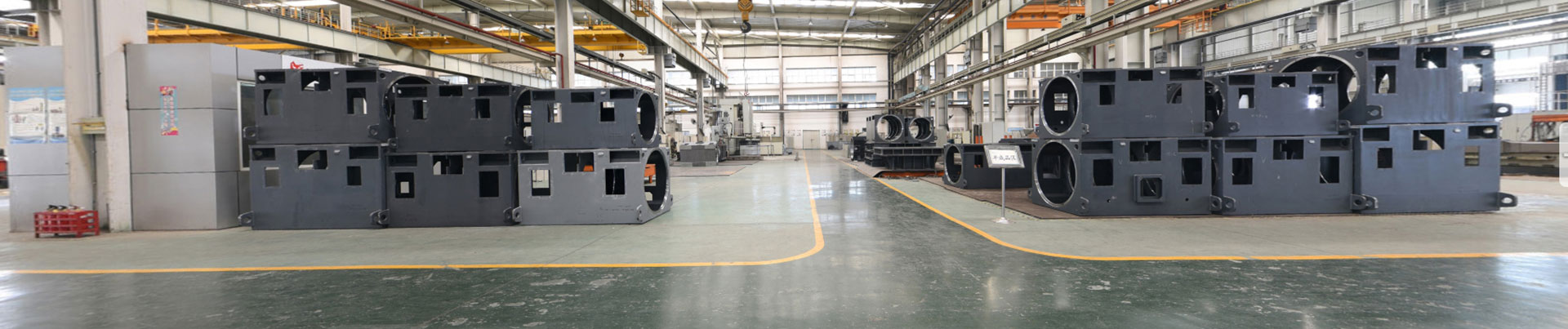
Squirrel cage induction motors, essential components in various industries, often present challenges such as overheating, inefficiencies, and maintenance issues to users. Many individuals feel frustration when their Squirrel Cage Motors do not perform as expected, leading to increased operational costs and downtime. This article aims to address these pain points by offering practical solutions, in-depth understanding, and actionable insights into how these motors work and how to optimize their performance. By leveraging real user experiences and scientific principles, we’ll demystify the functionality of squirrel cage motors and provide strategies for reliable and efficient operation.
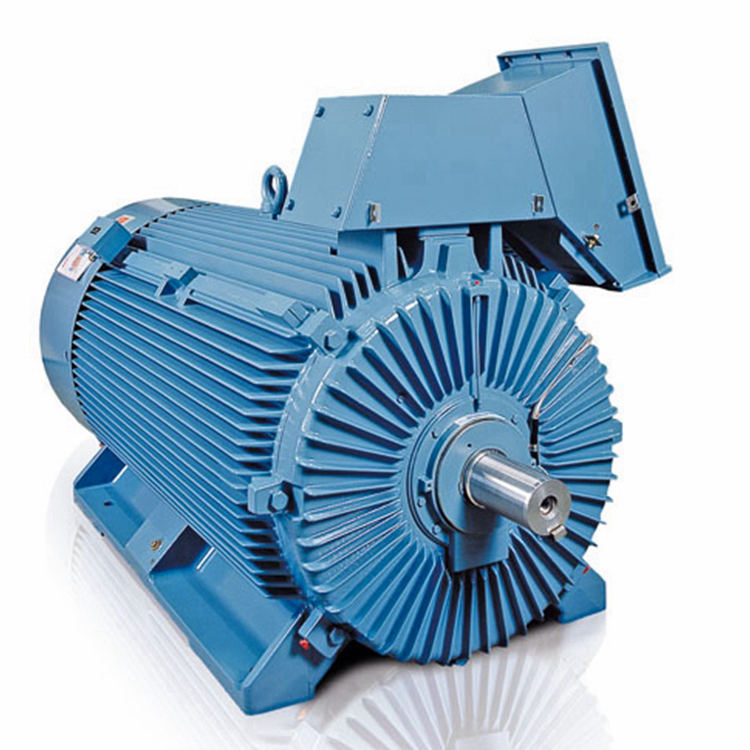
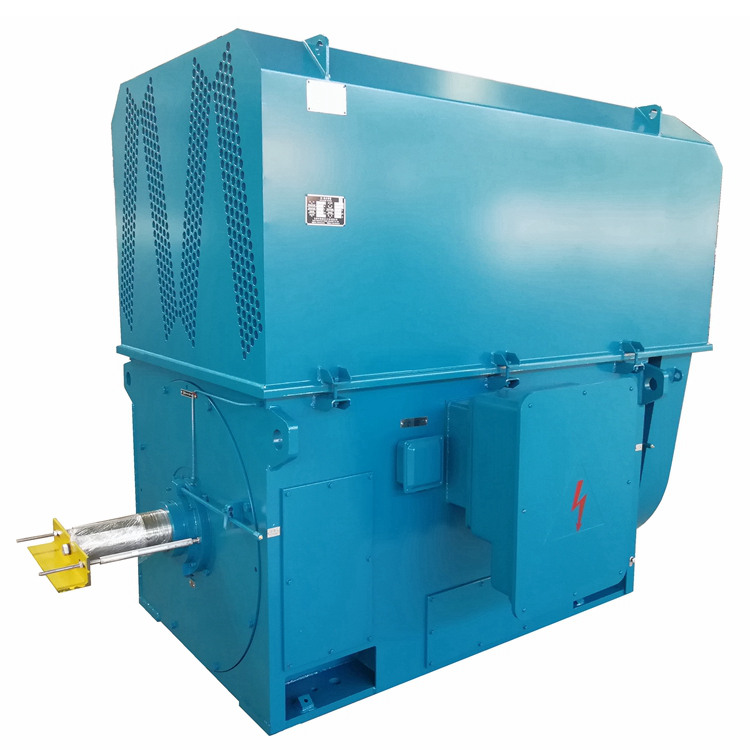
Squirrel cage induction motors operate based on a straightforward principle called electromagnetic induction. The motor consists of two main parts: the stator and the rotor, with the rotor resembling a "squirrel cage." When alternating current flows through the stator windings, it generates a rotating magnetic field. This field induces a magnetic current in the rotor, which causes it to turn. This process is supported by Faraday\'s law of electromagnetic induction, which states that a change in magnetic environment will induce voltage in a wire loop. This induction is the foundation of the motor\'s functionality, making it indispensable in applications ranging from fans to conveyors.
Before diving into the manipulation or maintenance of squirrel cage induction motors, users must gather specific tools and materials:
Follow these steps to ensure optimal performance of your squirrel cage induction motor:
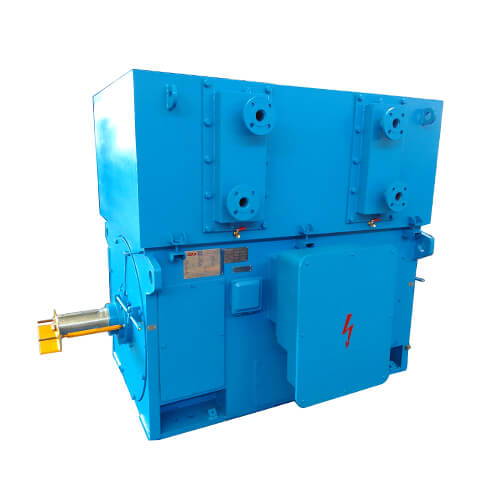 ZCL-group.com/data/watermark/20200804/5f28be83852ab.jpg" alt="Squirrel Cage Motor Inspection" />
Users often encounter common errors when working with squirrel cage induction motors, such as:
In conclusion, understanding how squirrel cage induction motors operate is crucial for enhancing their performance and longevity. Regular maintenance and monitoring are integral to preventing issues such as overheating and inefficiency, which can significantly affect operational costs. Users are encouraged to implement structured maintenance protocols and leverage the right tools to ensure their motors remain in optimal condition. Brands like ZCL provide comprehensive resources and support to help users optimize their industrial motors and avoid common pitfalls.
The average lifespan of a well-maintained squirrel cage induction motor ranges from 15 to 20 years, depending on usage, environment, and maintenance practices.
Yes, squirrel cage induction motors can operate in variable speed applications using inverter drives or variable frequency drives (VFDs), allowing for power efficiency and performance control.
Common signs include unwanted noise, overheating, or fluctuations in speed. Utilize tools like multimeters and megohmmeters to diagnose electrical issues effectively.
Copyright © ZCL Shijiazhuang Electric Motor Technology Co.,Ltd. All Rights Reserved | Sitemap | Powered by