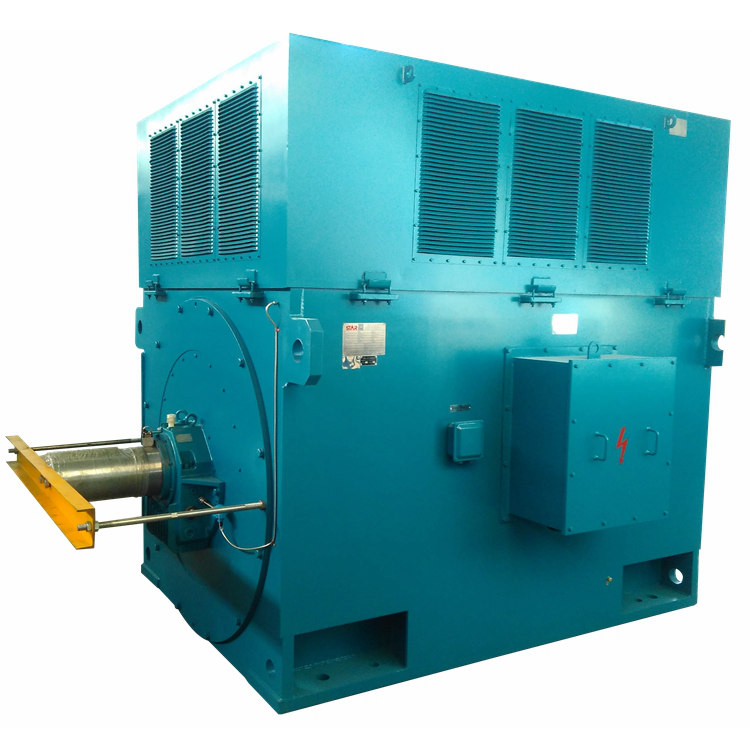
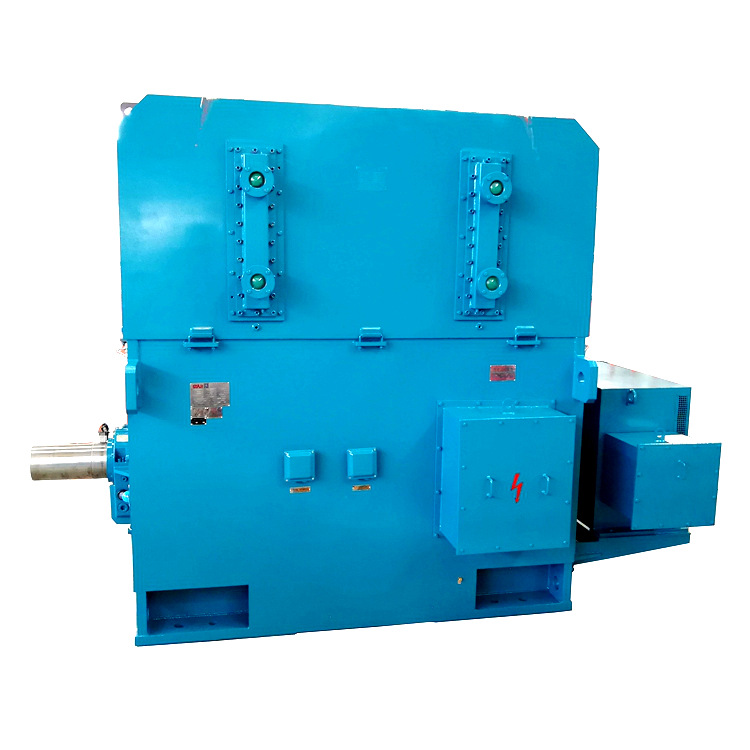
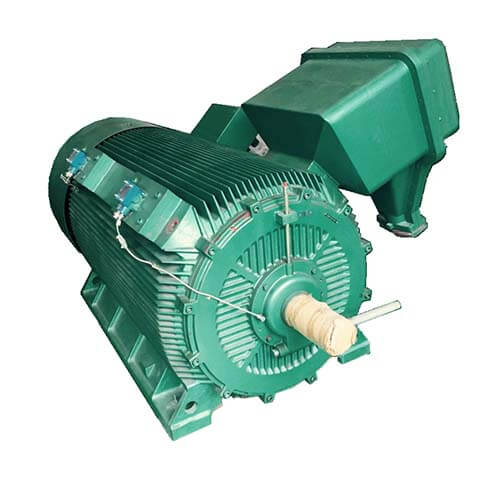
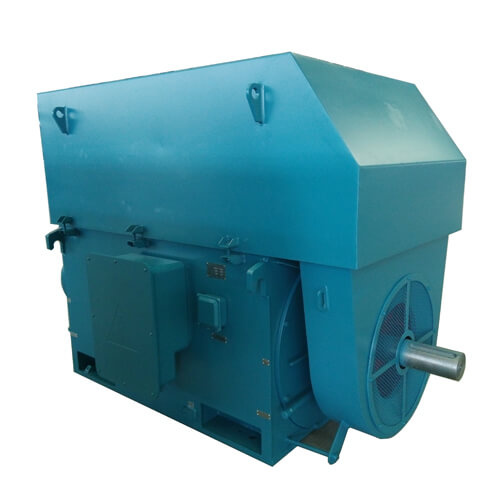
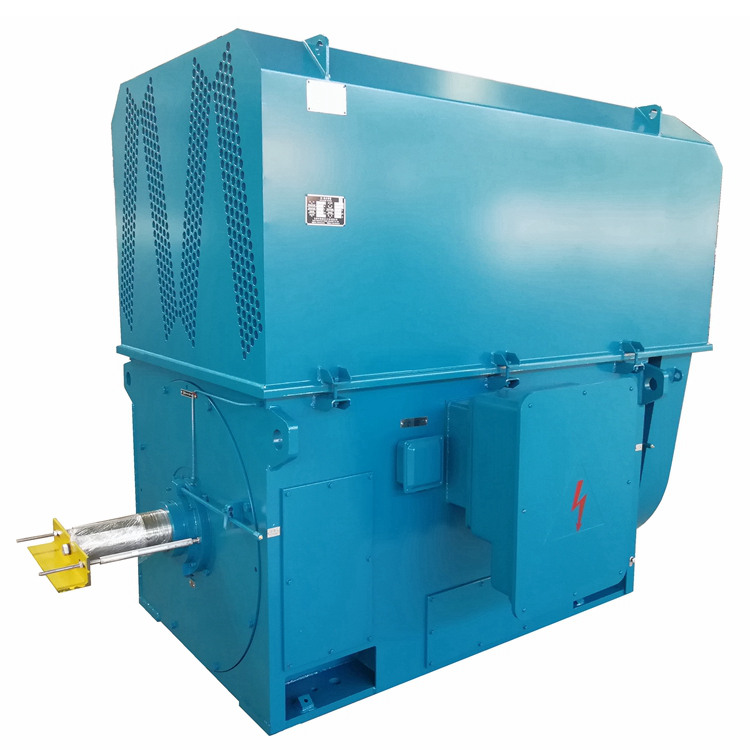
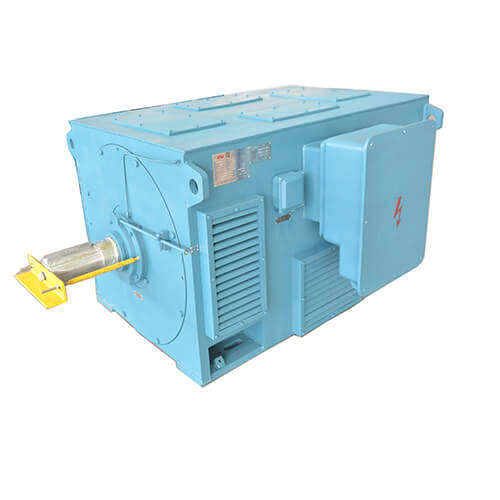
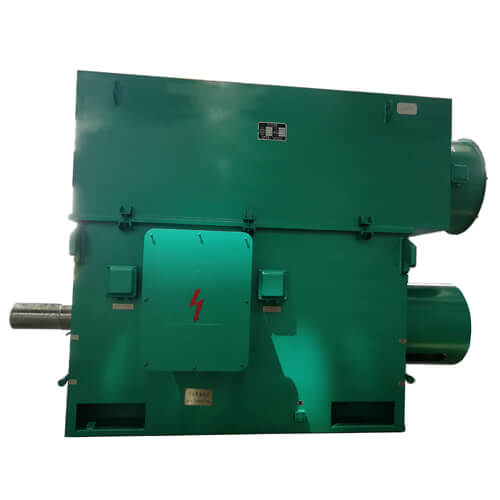
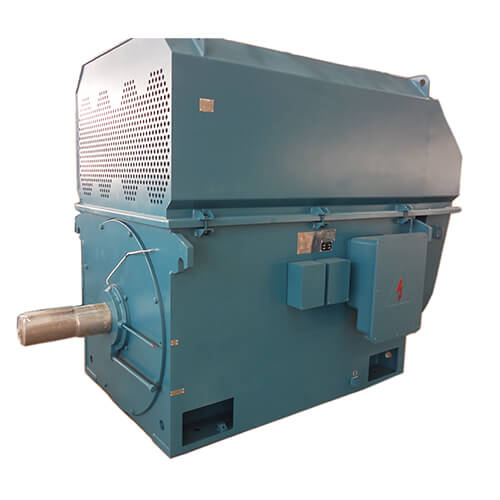
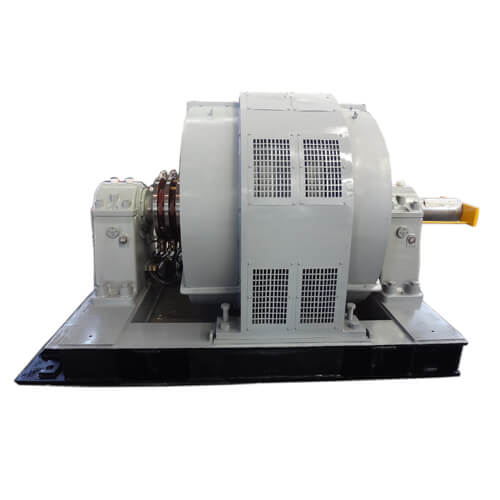
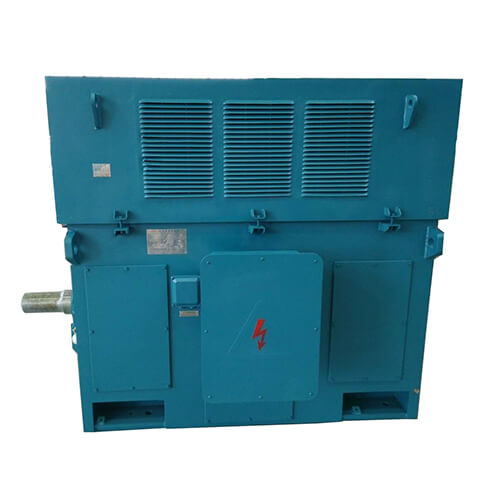
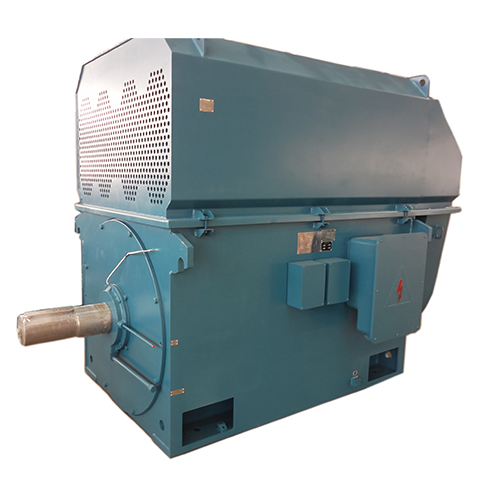
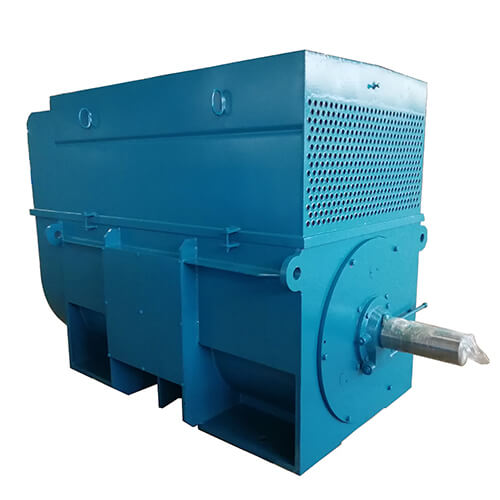
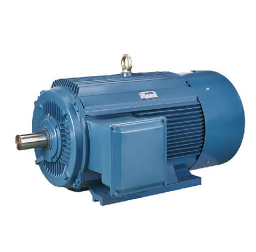
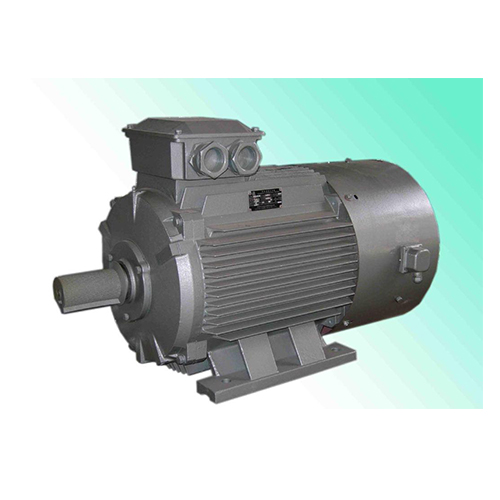
We manufacture high voltage motors for pumps, compressors, fans, mills, conveyors and other large industrial drive systems. Our product range can include squirrel-cage induction motors, slip ring induction motors, synchronous motors, horizontal motors, vertical motors and application-specific replacement motors.
Each motor is selected or engineered according to the driven equipment, required power, supply voltage, operating speed, starting method, installation environment and applicable technical standard.
High voltage motor projects require more than matching kilowatts and revolutions per minute. Starting current, load inertia, torque-speed characteristics, cooling, bearing loads, power-system capacity and mechanical interfaces must all be evaluated before the motor is approved.
High voltage squirrel-cage induction motors provide a robust rotor structure and relatively low routine maintenance. They are widely used for pumps, fans, compressors, conveyors and other industrial equipment.
They can be designed for direct-on-line starting, reduced-voltage starting or variable-frequency-drive operation.
High voltage slip ring motors use a wound rotor connected to an external resistance system.
They are particularly suitable for high-inertia equipment and applications requiring high starting torque with controlled starting current, including mills, crushers and loaded conveyors.
Synchronous motors may be considered for large constant-speed drives where efficiency, power factor and system performance are important.
Typical applications include large compressors, pumps, fans and other high-power continuous-duty equipment.
Vertical motors are developed for pumps and other equipment with a vertical shaft arrangement.
Motor selection must consider axial thrust, pump speed, shaft length, lubrication, mounting flange and the direction of thrust.
A high voltage motor used with a variable frequency drive must be evaluated for inverter supply, insulation stress, harmonic heating, cooling at reduced speed, bearing currents and the required torque-speed envelope.
The motor and drive should be selected as one integrated system.
Custom motors can be designed to match unusual electrical ratings, installation dimensions, cooling interfaces, shaft arrangements and operating conditions.
Replacement designs can also be developed for old or discontinued motors installed in existing plants.
| Parameter | Available Configuration |
|---|---|
| Motor types | Squirrel cage, slip ring and synchronous |
| Rated power | - |
| Rated voltage | - |
| Frequency | 50 Hz, 60 Hz or VFD operation |
| Number of poles | - |
| Mounting | Horizontal and vertical |
| Protection | - |
| Cooling | Open, air-to-air, air-to-water or forced ventilation |
| Bearings | Rolling-element or sleeve bearings |
| Enclosure | Cast iron or fabricated steel, where available |
| Standards | IEC |
| Hazardous areas | - |
| Customization | Electrical and mechanical customization |
Do not publish voltage, power or certification ranges that are not supported by current technical documentation.
The first decision is whether the application requires a squirrel-cage, slip ring or synchronous motor.
A squirrel-cage motor is commonly selected for robust general industrial drives. A slip ring motor may be more suitable for heavy starting duty. A synchronous motor may be considered for very large continuous-duty applications or projects with specific power-factor requirements.
Provide:
Rated voltage
Frequency
Voltage tolerance
Available short-circuit capacity
Permitted starting current
Permitted voltage drop
Earthing arrangement
Harmonic limits
Existing switchgear data
The network must be able to support the selected motor and starting method.
Motor selection should be based on the equipment torque-speed curve rather than only the final running power.
Important information includes:
Breakaway torque
Accelerating torque
Rated torque
Load inertia
Acceleration time
Overload requirements
Starts per hour
Reversing requirements
Minimum and maximum operating speeds
Common starting and operating arrangements include:
Direct-on-line starting
Reactor or autotransformer starting
Soft starter
Rotor resistance starter
Variable frequency drive
Application-specific starting system
The correct option depends on motor type, network capacity, load inertia, acceleration time and speed-control requirements.
The motor enclosure and cooling system must suit the operating environment.
A clean indoor pump station has different requirements from a dusty cement mill, outdoor mine site or hazardous chemical plant.
The motor must match:
Foundation dimensions
Shaft height
Coupling position
Shaft diameter
Keyway
Mounting flange
Rotation direction
External radial and axial loads
Terminal-box location
Cooling-water connections
Available installation space
A dimensional mismatch may delay installation even when the electrical rating is correct.
| Motor Type | Main Advantage | Typical Starting Characteristics | Common Applications |
| Squirrel-cage induction motor | Robust construction and lower routine maintenance | Depends on DOL, soft starter or VFD | Pumps, fans, compressors and conveyors |
| Slip ring induction motor | High starting torque with controlled current | External rotor resistance | Mills, crushers and high-inertia loads |
| Synchronous motor | High efficiency and power-factor capability | Requires a suitable starting and excitation system | Large compressors, pumps and fans |
| Vertical induction motor | Designed for vertical equipment and thrust loads | Depends on rotor and starting method | Vertical pumps |
| VFD-duty motor | Wide operating-speed range | Controlled through variable frequency drive | Process pumps, compressors and fans |
High voltage motors are used for:
Water-supply pumps
Cooling-water pumps
Boiler-feed pumps
Pipeline pumps
Mine-dewatering pumps
Irrigation pumps
Vertical turbine pumps
Desalination pumps
Pump projects require the pump curve, operating points, shaft power, starting condition and axial or radial load information.
Large compressors are used in oil and gas, petrochemical, refrigeration, air-separation and pipeline systems.
Motor selection should consider compressor torque, unloading method, speed range, process conditions and possible torsional interactions.
High-power fans are found in cement plants, steel mills, mines, boilers, tunnels and environmental-protection systems.
Important factors include fan inertia, acceleration time, damper position, airflow-control method and required speed range.
Ball mills, SAG mills, raw mills and cement mills place demanding starting and operating loads on the drive system.
Slip ring, squirrel-cage with VFD or synchronous solutions can be evaluated according to mill power, inertia, operating speed and process requirements.
Mine and port conveyors may require controlled acceleration, load sharing and reliable operation over long distances.
The complete conveyor load profile, slope, belt capacity and starting sequence should be supplied.
Crusher motors must handle breakaway torque, impact load and possible temporary overload.
Motor protection and control should account for blockage and abnormal load conditions.
Hazardous areas may require certified explosion-protected motors, special enclosure systems, corrosion-resistant materials and application-specific documentation.
High voltage motors can drive boiler-feed pumps, cooling-water pumps, induced-draft fans, forced-draft fans and auxiliary compressors.
Reliability, spare-parts strategy and plant outage requirements are particularly important in utility projects.
Open ventilation uses surrounding air to remove heat from the motor.
It may be suitable for clean environments with adequate ventilation, but it is less appropriate where dust, moisture or corrosive contamination can enter the motor.
An air-to-air heat exchanger maintains a closed internal air circuit while transferring heat to ambient air.
This configuration is commonly considered for dusty industrial environments where internal components require isolation from outside air.
An air-to-water heat exchanger uses cooling water to remove heat from the internal air circuit.
It can provide a compact motor design and reduce heat released into the equipment room. Cooling-water quality, temperature, pressure and monitoring requirements must be specified.
Independent ventilation may be required for variable-speed motors that operate for extended periods at reduced shaft speed.
Specify the required protection according to the installation environment.
Project conditions may include:
Indoor or outdoor installation
Dust and airborne particles
Rain and water spray
High humidity
Corrosive gases
Salt-laden air
High or low ambient temperature
High altitude
Hazardous gas or dust
Seismic requirements
Restricted ventilation
Optional equipment may include:
Space heaters
Stator RTDs
Bearing RTDs
Vibration sensors
Differential protection CTs
Surge protection
Partial-discharge monitoring
Insulated bearings
Shaft-grounding brushes
Oil-flow monitoring
Water-leak detectors
Air-filter differential-pressure monitoring
Only include options that the manufacturer can supply and support.
| Requirement | Direct-on-Line Motor | VFD Motor |
| Operating speed | Normally fixed | Adjustable |
| Starting current | Can be high | Controlled by drive |
| Process control | Mechanical control often required | Speed can control process output |
| Motor insulation | Designed for sinusoidal network supply | Must account for inverter waveform |
| Low-speed cooling | Usually not relevant | May require independent ventilation |
| Bearing-current protection | Project-dependent | Often requires specific evaluation |
| Initial system complexity | Lower | Higher |
| Energy-saving potential | Limited for variable-flow loads | Can be significant in suitable applications |
VFD operation should be specified at the beginning of the project. A motor should not automatically be assumed suitable for inverter supply merely because its voltage and power match the drive.
Horizontal motors are widely used for fans, compressors, mills, conveyors and horizontal pumps.
Mounting options, shaft height, coupling arrangement and foundation stiffness should be confirmed.
Vertical motors are commonly used for vertical turbine pumps and other vertical-shaft equipment.
Selection must consider:
Upward or downward thrust
Continuous and momentary thrust
Pump shaft weight
Coupling type
Bearing configuration
Lubrication
Mounting flange
Non-reverse mechanism when required
Rolling-element bearings provide a relatively simple bearing arrangement and are commonly used across many industrial motor ratings.
Bearing selection must account for speed, load, lubrication, expected life and maintenance intervals.
Sleeve bearings may be used on larger machines or applications requiring specific vibration, speed and load performance.
The lubrication system, oil flow, jacking oil, cooling and shaft-current protection must be considered as part of the motor design.
The high voltage stator winding is a critical component of the motor.
The specification should define:
Insulation class
Permitted temperature rise
Impulse withstand requirements
Ground-wall insulation
Corona protection
Vacuum pressure impregnation requirements
Winding-temperature sensors
VFD impulse conditions
Partial-discharge testing when required
The required test standard and acceptance criteria should be agreed during the technical review.
Available testing should be confirmed before order placement.
Typical routine and optional tests include:
Dimensional inspection
Winding resistance
Insulation resistance
Polarization index
High-voltage withstand test
No-load test
Locked-rotor test
Vibration measurement
Noise measurement
Bearing-temperature measurement
Direction-of-rotation check
Phase-sequence verification
Temperature-rise test
Efficiency and power-factor test
Overspeed test
Partial-discharge measurement
Surge comparison test
Full-load test
Online or witnessed factory acceptance test
The quotation should clearly state which tests are included and which require an additional charge.
Contact Us
Related Information
Squirrel Cage MotorsWhat is the difference between IEC and NEMA motors?Low Voltage AC MotorWhat is AC motor & Types?Custom AC MotorsLow Voltage MotorsHigh Voltage Slip Ring MotorLow Voltage DC MotorHigh Voltage MotorsCopyright © ZCL Shijiazhuang Electric Motor Technology Co.,Ltd. All Rights Reserved | Sitemap | Powered by