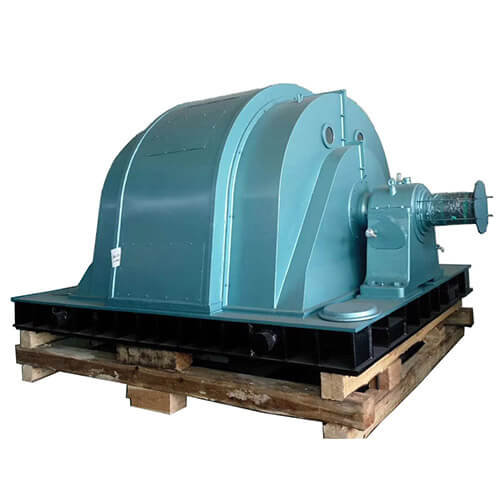
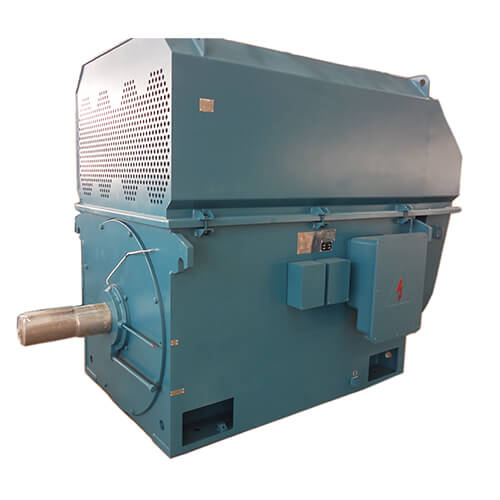
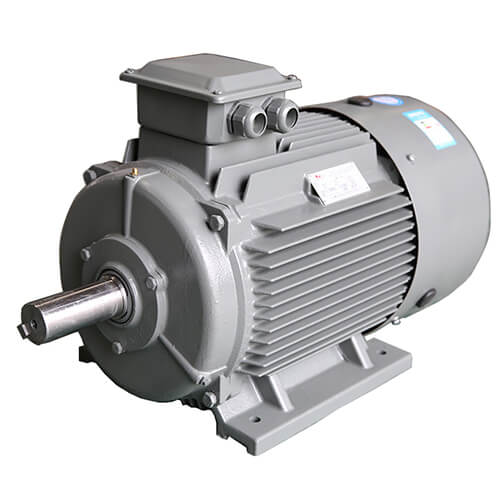
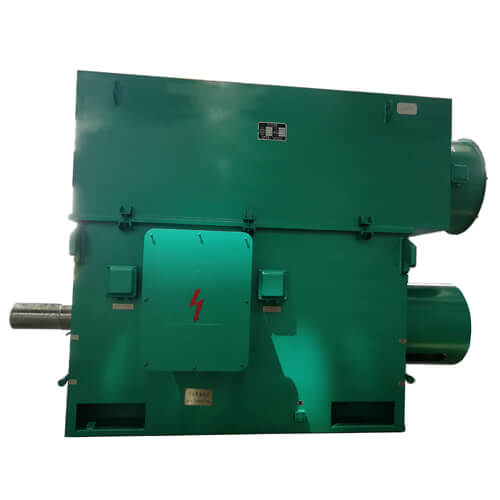
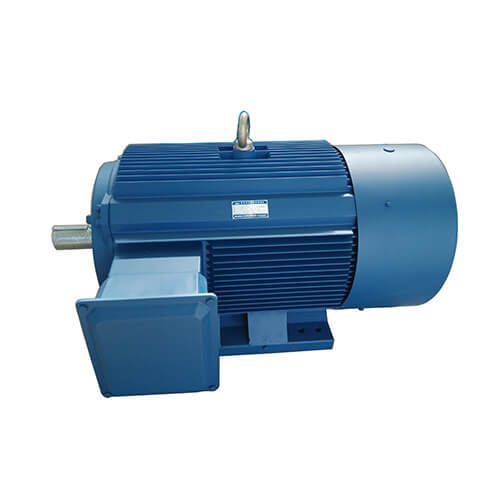
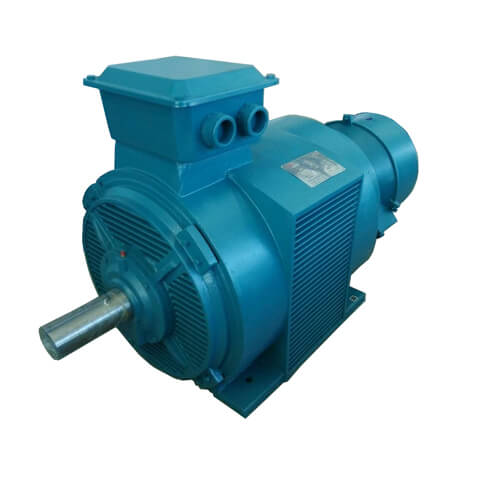
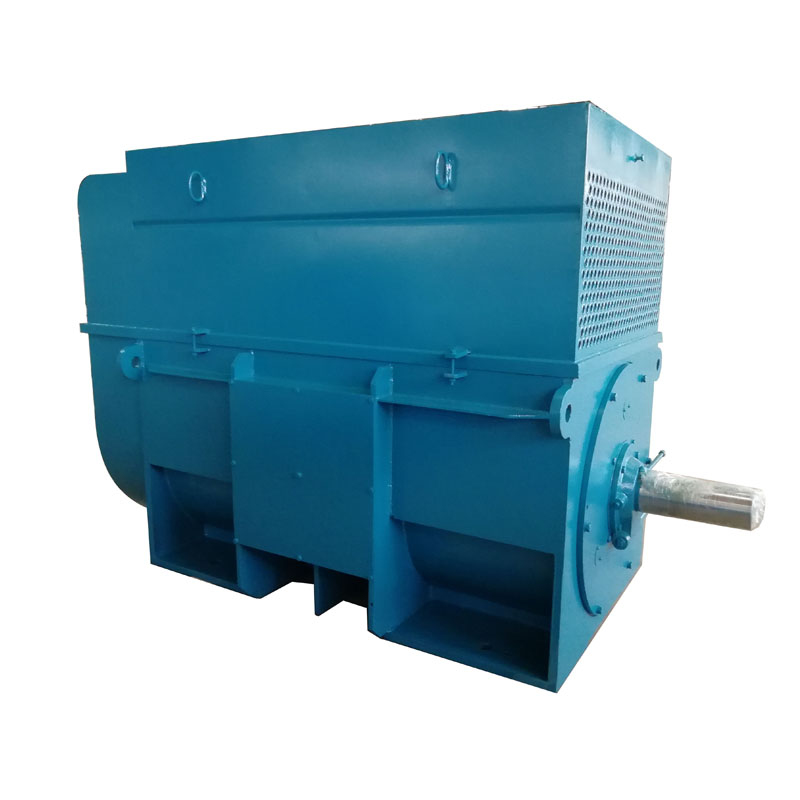
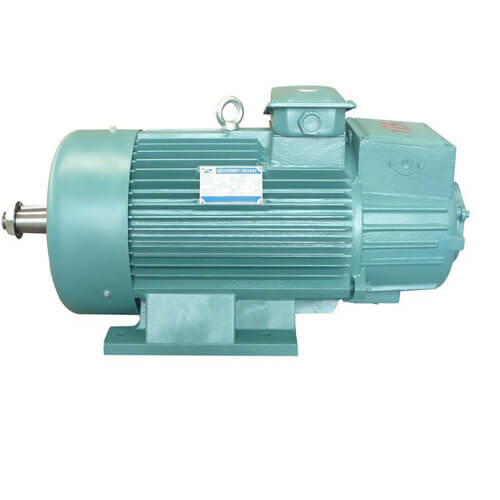
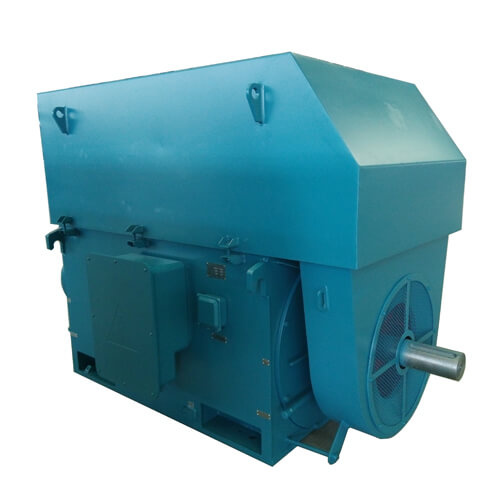
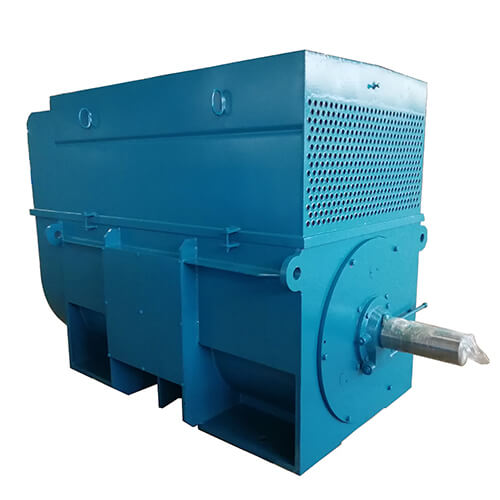
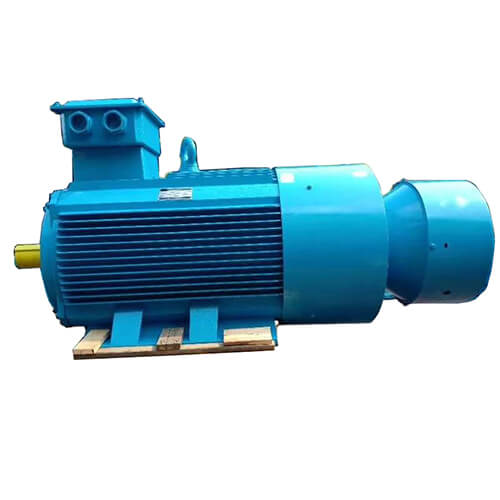
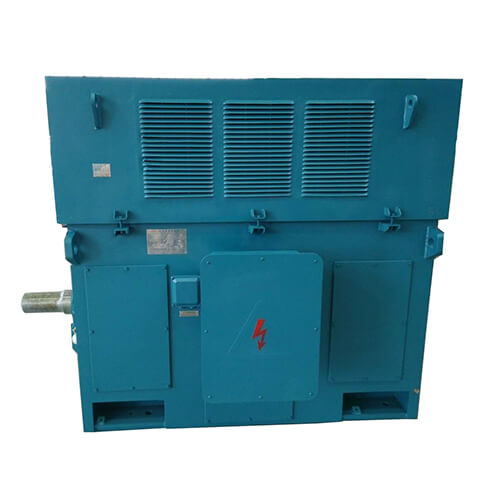
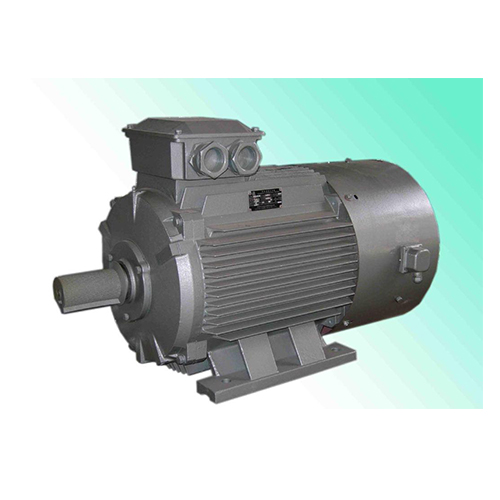
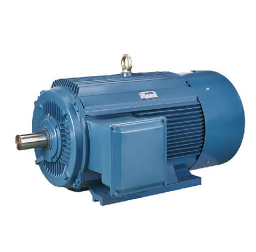
Standard motors do not always provide the dimensions, electrical performance or mechanical interfaces required by specialized equipment. Our custom AC motors are developed for OEM manufacturers and industrial customers that need a motor matched to a specific machine, operating condition and performance target.
We provide application-specific AC motor design and manufacturing services covering electrical performance, mechanical structure, mounting interface, shaft configuration, insulation, cooling, protection and control compatibility. Customization can begin with an existing motor platform, a customer drawing, a performance specification or a sample motor that needs to be replaced.
Whether you require a modified standard motor or a completely new OEM motor design, our engineering team evaluates the complete operating system instead of considering power and speed alone.
Our custom motor solutions can be developed around different AC motor structures and application requirements.
Single-phase AC motors are commonly used in equipment connected to residential or commercial single-phase power supplies. Motor starting method, capacitor configuration, voltage, frequency, direction of rotation and thermal protection can be selected according to the application.
Typical applications include:
Pumps
Small air compressors
Fans and blowers
Commercial kitchen equipment
Food-processing machines
Fitness equipment
Agricultural equipment
Household and commercial appliances
Three-phase AC motors are suitable for industrial machinery requiring reliable continuous operation, higher output and compatibility with industrial power systems.
Available development options may include customized voltage, frequency, poles, torque characteristics, mounting, enclosure, insulation and inverter-duty performance.
Typical applications include:
Industrial pumps
Compressors
Conveyors
Machine tools
Packaging machines
Material-handling systems
Industrial fans
Processing equipment
Custom induction motors can be optimized for starting torque, rated torque, speed, efficiency, temperature rise, noise, vibration and operating duty.
A custom induction motor may be appropriate when a standard IEC or NEMA motor cannot satisfy the available installation space, load curve or environmental conditions.
An electromagnetic brake can be integrated when the driven equipment requires rapid stopping, load holding or controlled positioning.
Brake voltage, braking torque, manual release, rectifier configuration and installation position can be selected according to the equipment design.
For variable-speed equipment, the motor can be designed to operate with a variable frequency drive. Engineering considerations may include the required speed range, low-speed torque, insulation system, cooling performance, bearing protection and operating load curve.
The motor and VFD should be evaluated as one drive system rather than selected independently.
A custom AC motor project may involve electrical, mechanical, thermal and environmental modifications.
| Customization Item | Available Design Considerations |
|---|---|
| Rated power | Matched to continuous and peak load |
| Voltage | Designed for the target power supply |
| Frequency | 50 Hz, 60 Hz or application-specific operation |
| Phase | Single-phase or three-phase |
| Number of poles | Selected according to the required base speed |
| Rated speed | Optimized for the driven equipment |
| Starting torque | Adjusted for high-inertia or loaded starts |
| Running torque | Matched to the application load curve |
| Current | Controlled according to supply and protection limits |
| Efficiency | Optimized according to motor size and duty |
| Duty cycle | Continuous, intermittent or application-specific |
| Direction | CW, CCW or reversible operation |
| Thermal protection | Thermostat, thermal protector or temperature sensor |
| VFD compatibility | Designed for the specified inverter and speed range |
| Lead wires and terminals | Customized length, connector and terminal arrangement |
Mechanical dimensions are often the main reason OEMs require a custom AC motor. We can evaluate modifications including:
Custom shaft diameter and length
Single- or double-shaft construction
Keyway, flat, spline or threaded shaft
Custom flange and pilot diameter
Foot mounting
Face mounting
Special bolt-hole pattern
Vertical or horizontal mounting
Customized end shields
Housing diameter and length
Compact motor construction
Custom terminal-box position
Cable outlet direction
Special bearings
Integrated encoder mounting
Brake integration
Gearbox connection
Fan, pulley or impeller interface
A complete dimensional drawing of the motor and driven equipment helps identify possible interference, alignment and installation issues before prototype production.
The operating environment affects the enclosure, materials, insulation and cooling design of the motor.
Custom solutions can be evaluated for:
Dusty industrial environments
Humid operating conditions
Outdoor equipment
Washdown exposure
High or low ambient temperatures environments
Humid operating conditions
Outdoor equipment
Washdown exposure
Corrosive environments
Frequent start-stop operation
High-vibration machinery
Low-noise environments
Restricted ventilation
Continuous-duty equipment
Possible design changes include enclosure protection, shaft seals, corrosion-resistant coatings, special bearings, reinforced insulation, alternative cooling methods and high-temperature materials.
The required IP rating and environmental conditions should be clearly stated during the initial technical review.
Custom motor development should begin with the load and operating cycle rather than only the required horsepower or kilowatt rating.
Important performance targets may include:
Pumps, compressors, conveyors and loaded machinery may require higher torque during startup. The motor design must consider load inertia, starting method, available current and allowable acceleration time.
For medical devices, fitness equipment, commercial appliances and indoor machinery, acoustic performance can be as important as motor output.
Noise and vibration can be influenced by electromagnetic design, bearing selection, rotor balance, fan structure, housing rigidity and installation conditions.
When installation space is limited, the electromagnetic and thermal design can be optimized to achieve the required output within a restricted motor envelope.
Cooling conditions, temperature rise and service life must be evaluated when increasing power density.
A motor used over a wide speed range may require improved insulation, independent cooling, special bearings or a customized torque-speed curve.
Please provide the expected minimum speed, base speed, maximum speed and operating time at each condition.
Efficiency can be optimized by adjusting electromagnetic design, winding, lamination material, conductor usage, rotor design, bearings and cooling.
The required efficiency target should be evaluated together with motor size, operating point, production cost and applicable regulations.
We develop custom AC motors for equipment manufacturers across a wide range of industrial and commercial applications.
Custom motors can be developed for centrifugal pumps, circulation pumps, water-treatment equipment, oil pumps and other fluid-handling systems.
Important selection factors include starting load, operating speed, shaft connection, sealing, humidity and continuous-duty requirements.
Fan and blower motors may require low noise, low vibration, multiple speeds, VFD operation or a compact external-rotor or internal-rotor design.
The motor should be selected according to the fan load curve, airflow, mounting position and ambient temperature.
Compressor motors often require reliable starting performance and stable operation under repeated or continuous loads.
Please provide compressor type, starting method, pressure condition, pulley ratio and operating cycle when requesting a custom solution.
Motors for food-processing and packaging equipment may require frequent starts, compact mounting, special coatings, washdown resistance or connection to a gearbox and brake.
Custom motors can be used in grain-handling equipment, ventilation systems, feeding machines, pumps and processing machinery.
Dust exposure, high starting load, outdoor use and seasonal operation should be considered during motor design.
Conveyors, lifts and transfer systems may require high starting torque, braking, reversible operation and integration with a reducer or VFD.
Custom single-phase and three-phase motors can be developed for mixers, ice machines, ventilation equipment, cleaning equipment and other commercial appliances.
When a standard motor cannot match the machine interface, operating environment or performance curve, a project-specific motor can be developed using the equipment drawing and operating data.
| Requirement | Standard AC Motor | Custom AC Motor |
| Standard voltage and frequency | Suitable | Suitable |
| Standard shaft and mounting | Suitable | Can be matched exactly |
| Limited installation space | May not fit | Dimensions can be optimized |
| Special torque-speed curve | Limited options | Designed around the load |
| Unique flange or bolt pattern | Usually unavailable | Can be customized |
| Special environmental protection | Selected standard options | Application-specific design |
| Integrated brake or encoder | Limited configurations | Can be engineered together |
| Replacement of obsolete motor | Difficult in some cases | Build-to-print options available |
| OEM branding and connectors | Limited | Can be customized |
| High-volume equipment project | May require compromise | Optimized for the complete system |
A standard motor is normally the most economical choice when its performance and dimensions already satisfy the application. Custom development becomes valuable when standard products create installation, performance, reliability or supply-chain problems.
The project begins with the customer’s drawing, motor specification, sample, equipment information and expected production quantity.
Our engineers review the electrical supply, load, mounting, operating cycle and environmental conditions.
The required motor type, dimensions, electromagnetic performance, materials, insulation and cooling method are evaluated.
Potential technical risks and information gaps are identified before design work begins.
The engineering team develops the motor structure, winding, shaft, housing, mounting interface and related components.
When appropriate, an existing motor platform may be modified to reduce development cost and time.
Prototype motors are produced for dimensional, electrical and functional verification.
Prototype quantity and tooling requirements depend on the project complexity and motor construction.
The motor is tested against the agreed technical specification. Testing may include:
No-load performance
Rated-load performance
Current and power
Speed and torque
Rotation direction
Temperature rise
Insulation resistance
Dielectric strength
Noise and vibration
Starting performance
Brake operation
VFD operating range
Dimensional inspection
Application-specific testing can be discussed during project evaluation.
After prototype approval, a pilot production run can be used to confirm manufacturing consistency, assembly and equipment compatibility.
The project can then move into scheduled batch or mass production.
Custom motors require clear specifications and repeatable manufacturing controls. Quality management should extend from incoming materials to final motor inspection.
Important control points include:
Electrical steel laminations
Copper wire and winding
Insulation materials
Rotor manufacturing
Shaft machining
Bearing installation
Dynamic balancing
Housing and end-shield dimensions
Winding resistance
Electrical safety
Noise and vibration
No-load and load performance
Final appearance and packaging
Certificates, test reports, inspection standards and traceability requirements should be confirmed before production.
Only include UL, CE, CSA, RoHS, REACH, IEC, NEMA, ISO or efficiency-class claims on the final page when they are supported by the company’s actual products and certification scope.
Contact Us
Related Information
Squirrel Cage MotorsCustom AC MotorsHigh Voltage MotorsWhat is the difference between IEC and NEMA motors?High Voltage Slip Ring MotorLow Voltage DC MotorLow Voltage AC MotorLow Voltage MotorsWhat is AC motor & Types?Copyright © ZCL Shijiazhuang Electric Motor Technology Co.,Ltd. All Rights Reserved | Sitemap | Powered by