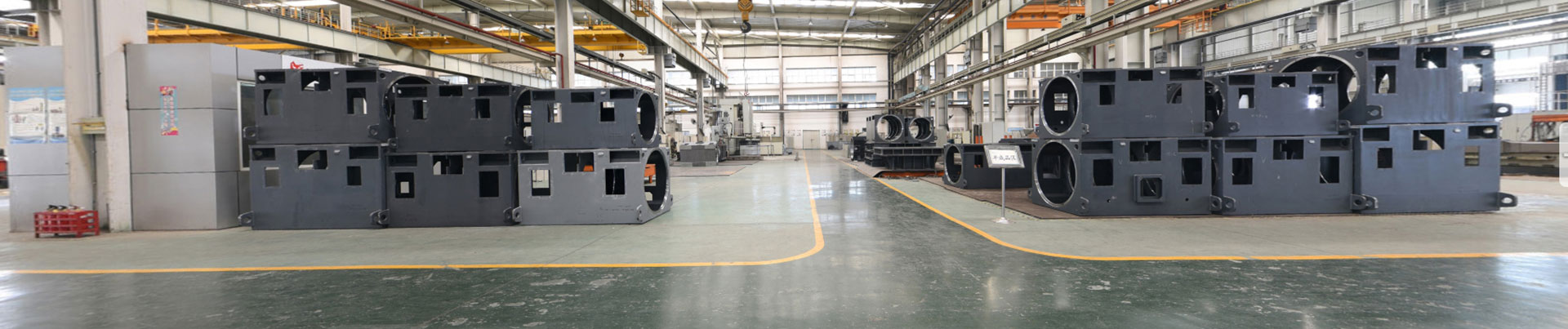
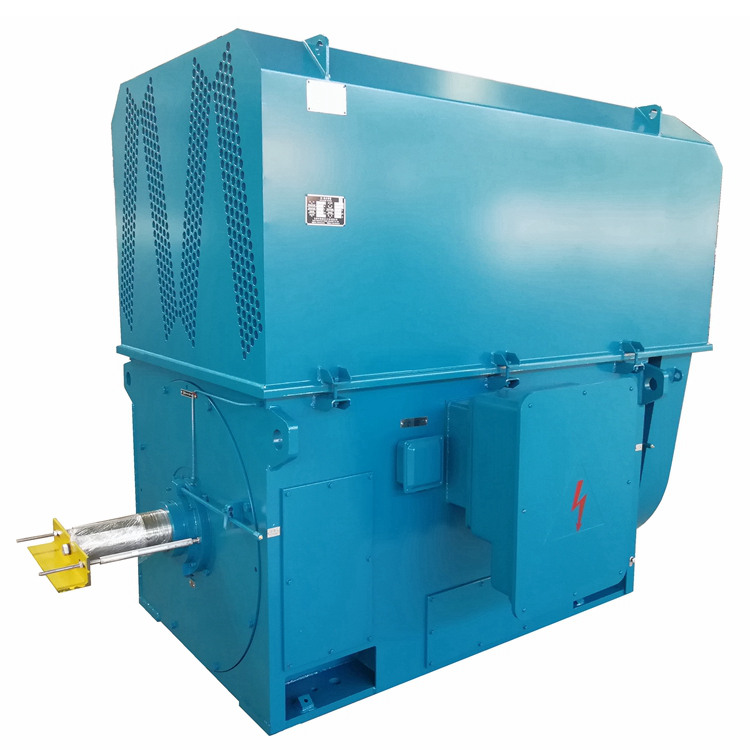
A Low Voltage Squirrel Cage Motor (LVSCM) is an electric motor widely utilized in various industrial and commercial applications. These motors operate on a three-phase alternating current (AC) and are characterized by the use of an enclosed rotor that resembles a squirrel cage, which aids in reducing electromagnetic losses and achieving high efficiency. The practical application of LVSCMs is invaluable in sectors ranging from manufacturing to HVAC, where they power pumps, fans, and conveyors, ensuring smooth and reliable operation. The use of LVSCMs provides businesses with high efficiency ratings—often up to 90%—thus resulting in significant energy savings and reduced operational costs.
The history of Low Voltage Squirrel Cage Motors dates back to the late 19th century with the advent of electric power generation. Over the decades, advancements in electrical engineering and materials have led to the evolution of these motors into highly efficient and reliable machines. With an operational voltage typically ranging from 230V to 600V, LVSCMs align well with common electrical infrastructure in industries. Their robust design allows them to withstand challenging environments, making them a preferred choice for businesses looking for durability and performance.
In practical terms, the significance of Low Voltage Squirrel Cage Motors cannot be overstated. Their efficiency and operational reliability make them ideal for applications such as:
These applications highlight how LVSCMs contribute to improved productivity and energy efficiency, providing measurable benefits that can enhance any business\'s bottom line.
Despite the popularity of Low Voltage Squirrel Cage Motors, several misconceptions persist. One common myth is that these motors only perform well at particular loads. In reality, LVSCMs are designed to operate efficiently over a wide range of loads, exhibiting high torque and minimal power losses—important aspects that help in applications where load conditions may vary unexpectedly. Another misunderstanding involves their maintenance; while LVSCMs are known for their durability, neglecting basic upkeep—such as regular lubrication and ensuring proper cooling—can lead to premature wear and reduced efficiency.
To enhance understanding, consider the case of a major manufacturing facility that replaced its outdated hydrodynamic motors with LVSCMs. Within six months, they reported a 30% reduction in energy costs, coupled with increased production outputs due to lower downtime risks, showcasing the transformative impact of these motors on industrial operations. Another example involves a commercial HVAC installation where implementing LVSCMs led to enhanced air circulation efficiency, significantly lowering heating and cooling expenses for the building management.
In summary, Low Voltage Squirrel Cage Motors play a pivotal role in many industries, combining efficiency, reliability, and versatility. Their historical evolution and advancements translate into practical, real-world applications that can significantly influence operational productivity and cost-effectiveness. For businesses seeking to optimize their energy usage and improve process efficiencies, investing in LVSCMs is a strategic move. To learn more about the specifications and benefits of these motors, we encourage you to explore resources like those available at ZCL-group.com/data/watermark/20200803/5f27cf36a4653.jpg">ZCL Group, where expert guidance can further illuminate your choices in electric motor solutions.
Copyright © ZCL Shijiazhuang Electric Motor Technology Co.,Ltd. All Rights Reserved | Sitemap | Powered by