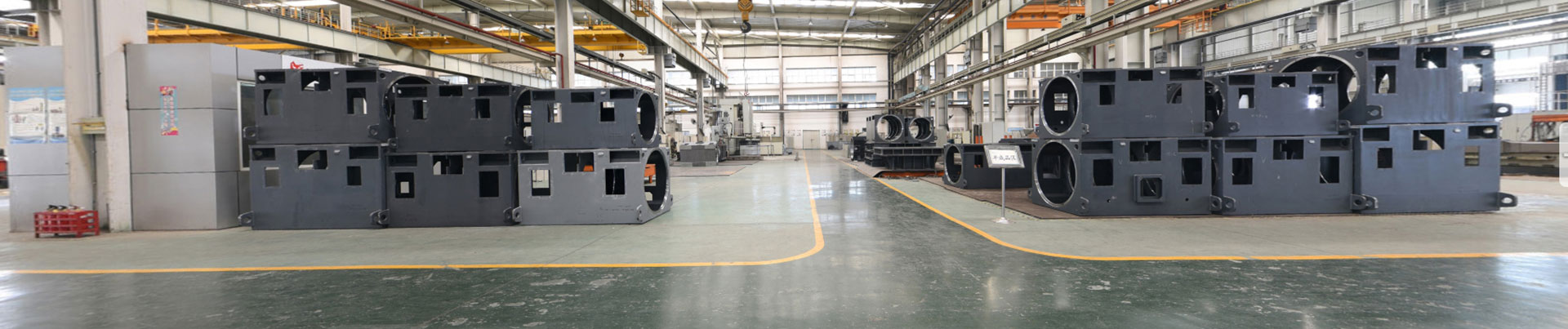
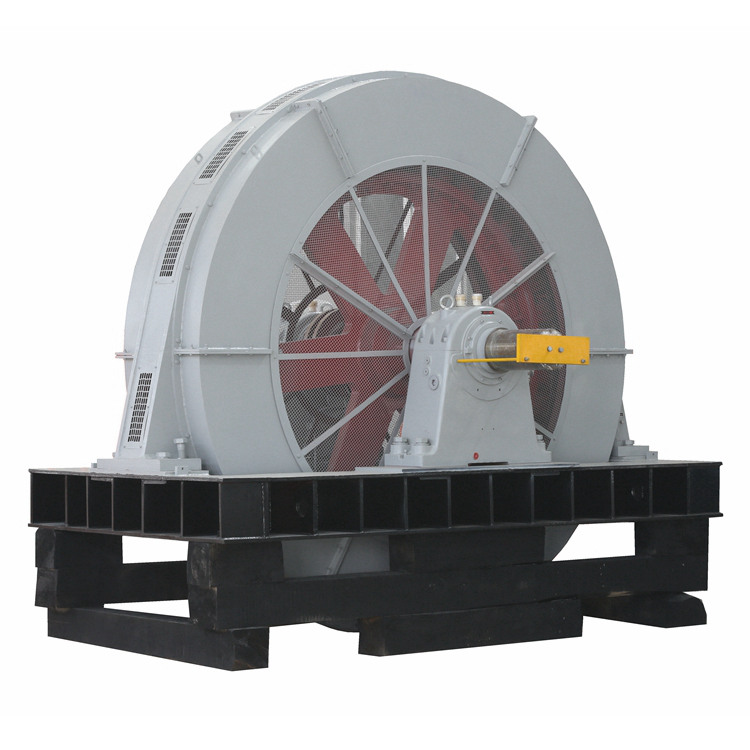
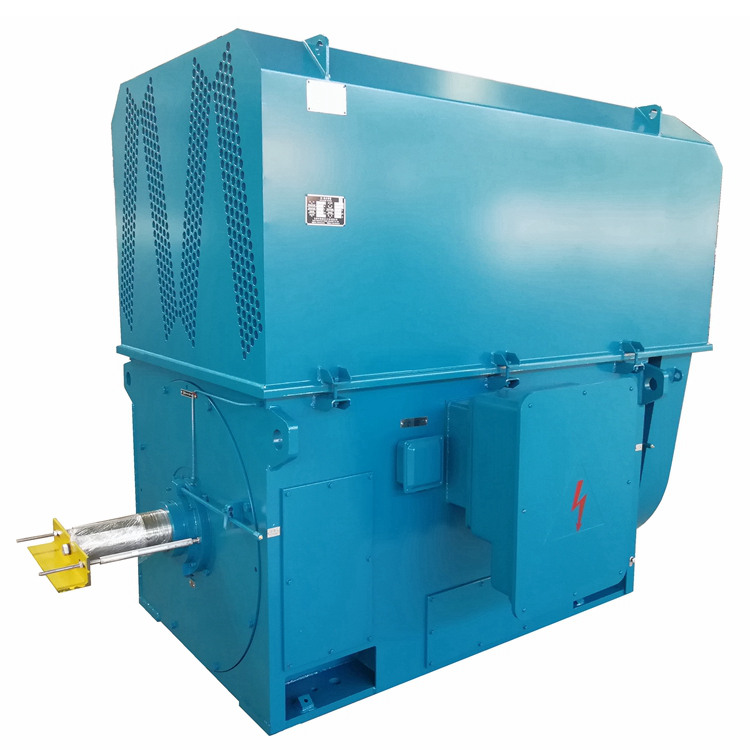
In the evolving landscape of energy systems, a synchronous condenser stands as a vital component, bridging the gap between traditional generation methods and modern grid demands. Essentially, a synchronous condenser is a type of synchronous motor that operates without a mechanical load, supplying reactive power to the electric grid. Its primary role is to improve voltage stability and enhance the reliability of power systems, making it indispensable for businesses that rely on consistent energy supply.
Historically, the synchronous condenser has roots dating back to the early 20th century when it was first utilized for frequency regulation and voltage support. As power generation has shifted toward renewable sources like wind and solar, the demand for grid stability has surged. Synchronous condensers have re-emerged as crucial players to address reactive power shortages, helping to maintain efficient electricity supply regardless of fluctuating energy sources.
The practical applications of a synchronous condenser are multi-faceted. By providing reactive power support, it can mitigate voltage fluctuations and stabilize power systems under both equilibrium and transient states. This is particularly significant in regions with high penetration of renewables, where maintaining steady voltage levels is challenging. Companies find immense value in deploying synchronous condensers, as they can minimize the risk of outages and maintain a consistent energy quality, enhancing overall operational efficiency.
Despite their importance, several misconceptions surround synchronous condensers. Many people confuse them with static compensators, which only handle reactive power, while synchronous condensers can also provide inertia to the system, bolstering grid stability. Another common error is assuming that the technology is outdated; in reality, advancements in design and operational efficiency have revitalized its role in modern grids. Understanding these distinctions helps businesses harness their full potential.
To further clarify their significance, consider the case of ZCL, a leading figure in the field. They recently implemented synchronous condensers in a high-demand region, resulting in a 20% reduction in voltage instability incidents and contributing to a more responsive energy grid. Such evidence underscores the practical impact of these systems, demonstrating their ability to enhance grid reliability.
As we summarize the core points, it becomes clear that a synchronous condenser plays a critical role in supporting the grid by ensuring voltage stability and reactive power management. Its capacity to adapt to the increasing complexity of modern power systems positions it as an essential asset for businesses aiming to optimize their energy strategies. For those interested in further exploring the benefits of synchronous condensers, visiting ZCL\'s website at ZCL Group will provide additional insights and solutions, encouraging decisive action in the pursuit of energy reliability.
In conclusion, the integration of synchronous condensers is not just a technological upgrade; it reflects a strategic move toward sustainable and efficient energy management in today’s dynamic grid environment. Be sure to consider how your business can benefit from this essential technology.
Copyright © ZCL Shijiazhuang Electric Motor Technology Co.,Ltd. All Rights Reserved | Sitemap | Powered by